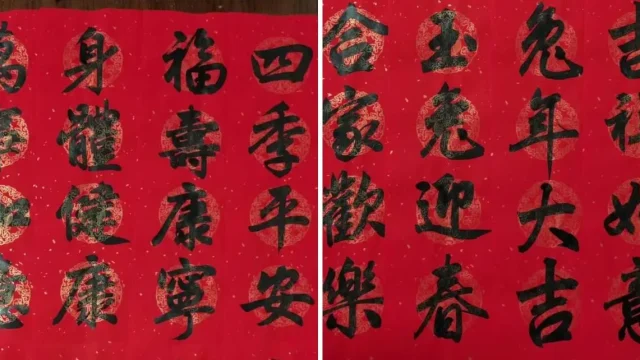
When Is This Year’s Chinese New Year? Date and Animal
By Daozhang MaMaoshan Taoist, Jintan, Jiangsu

In short
When is this year’s Chinese New Year? If “this year” means 2026, it has already happened: Chinese New Year fell on Tuesday, February 17, 2026, and opened the Year of the Fire Horse. The next one is Saturday, February 6, 2027, when the Fire Goat takes over. I’m writing this in November 2026, so the Horse still has about three months left.
Most people who ask me this in the fall really want that February date. Below I’ve sorted out which date applies to you, which animal is in charge, and why 2027 came within minutes of landing on a different day.
When is this year’s Chinese New Year? It depends on today’s date
Chinese New Year doesn’t line up with January 1, so the words “this year” can point at two different days. The holiday comes in late January or February, and the rest of the calendar year sits after it. Here’s how I’d read the question, depending on when you’re asking:
- Now through February 5, 2027: the last one was February 17, 2026, and the next one is February 6, 2027.
- February 6, 2027, through December 31, 2027: this year’s was February 6, and the next one is January 26, 2028.
- January 1 to 25, 2028: the calendar says 2028, but the new year hasn’t come yet. It arrives on January 26.
Those dates, and the two after them, are in the table. I checked every year from 2026 on against the Hong Kong Observatory’s Gregorian-lunar conversion tables, which are free to read online.
| Year | Chinese New Year’s Day | Animal it opens |
|---|---|---|
| 2025 | Wednesday, January 29, 2025 | Wood Snake |
| 2026 | Tuesday, February 17, 2026 | Fire Horse |
| 2027 | Saturday, February 6, 2027 | Fire Goat |
| 2028 | Wednesday, January 26, 2028 | Earth Monkey |
| 2029 | Tuesday, February 13, 2029 | Earth Rooster |
| 2030 | Sunday, February 3, 2030 | Metal Dog |
Be careful with search results here. Plenty of pages that come up for this question were written for an earlier year, and a headline that says 2024 or 2023 is still sitting near the top. Look for the year in the title before you book anything.
For the wider holiday, including how Korea and Vietnam mark the same season, my Lunar New Year guide covers the traditions and runs the dates out to 2031.
What animal is this year’s Chinese New Year? The Horse until February 5, 2027
That date table also settles the animal question, because the animal changes on New Year’s Day and not on January 1. The Year of the Fire Horse began on February 17, 2026, and it runs through February 5, 2027. So yes, 2026 is the Year of the Horse, and so are the first five weeks of 2027.
The Fire part comes from the year’s name in the 60-year cycle, Bing Wu (丙午). Bing is a heavenly stem that belongs to fire, and Wu is the earthly branch that goes with the Horse. The last Fire Horse year began in 1966.
The next year is Ding Wei (丁未), a Fire Goat. The Chinese word yang (羊) covers goat, sheep and ram, so you’ll see all three in English and none of them is wrong.
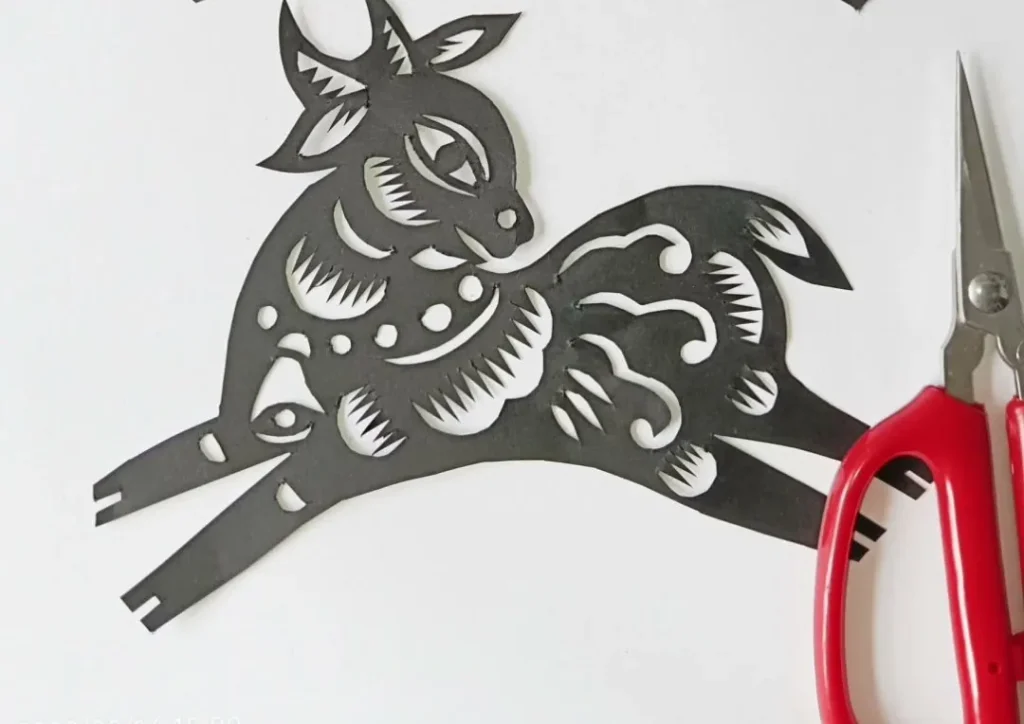
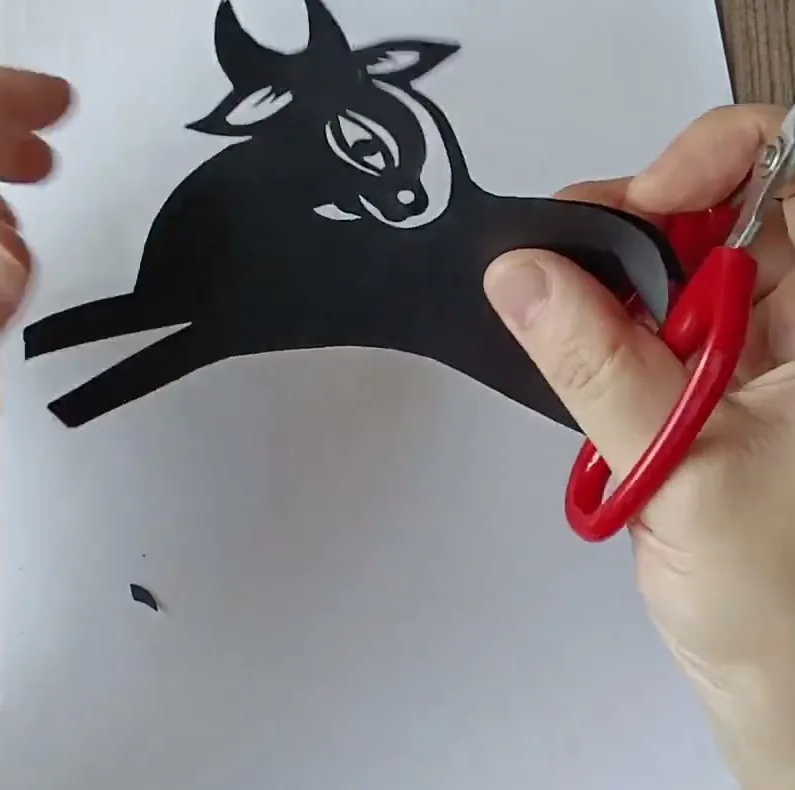
In the weeks before New Year, the coming animal turns up on market stalls long before it’s officially in charge. I usually buy my window paper-cuts then, which means I’m carrying a Goat home while the Horse still has days to run.
If you’re asking “what’s my Chinese New Year animal,” your birth date matters more than your birth year. Anyone born in January or early February may belong to the year before. A baby born on February 3, 2027 is still a Horse by the lunar new year.
The zodiac calculator does that sum from your birthday, and the chart of Chinese zodiac years gives the start and end dates back to 1924. One more wrinkle: almanacs and birth charts turn the year at Lichun, the Beginning of Spring, which comes on February 4, 2027. I go by the lunar new year for the animal.
How the date of Chinese New Year is set by the new moon
The animal and the date both hang on one thing, the new moon. A Chinese month starts on the day that holds the new moon, counted on Beijing time, and New Year’s Day is the start of the first month. That’s usually the second new moon after the winter solstice, which is why the day always lands between January 21 and February 20.
A year of 12 lunar months lasts about 354 days, roughly 11 days short of ours. You can watch it happen in the table. February 17, 2026 slides back 11 days to February 6, 2027, then back another 11 to January 26, 2028.
Left alone, the holiday would drift into winter and keep going. So the calendar adds a leap month about every three years, and the date jumps forward again. The lunar year starting January 26, 2028 has 13 months and lasts 384 days, which is how the next New Year gets out to February 13, 2029.
Why February 6, 2027 was a close call
The new moon that opens the Goat year comes only a few minutes before midnight in Beijing on February 6. It’s also a real eclipse: NASA lists an annular solar eclipse that day, with its greatest phase at about 16:00 Universal Time, right at midnight in Beijing. Had that new moon come a few minutes later, New Year’s Day would have been February 7.
That tight timing trips up software. The Chinese calendar routine in ICU, a code library used by many programs, gave me February 7, 2027 in version 78.2. The Hong Kong Observatory’s table says February 6, and so does the calendar families actually use. If an app shows you the 7th, go with the 6th.
It’s the same day for American readers, because the date is fixed on Beijing time and then carried over as a calendar date. The new moon itself falls at about 11 a.m. Eastern on Saturday, February 6, but nobody moves the holiday to suit a time zone.
How Chinese families look the date up in a tongshu
Before there were apps, the answer came from a printed almanac, and in many homes it still does. The tongshu (通书) is that almanac, a yearly book that sets the lunar date beside the solar one and marks the good and bad days for things like weddings and moving house. You’ll also hear it called the huangli (黄历).
I buy a new one every year, usually in the last months of the old year, and the first thing I do is find the opening day of the first month. Choosing days from it is part of my work on Maoshan, so a wrong date there would throw off everything after it.

Without a tongshu at hand, the Hong Kong Observatory table is the easiest check. Open the year you want and find the line marked “1st Lunar Month” in January or February. China’s own rules for the calendar are set out in a national standard, GB/T 33661-2017, issued in 2017.
What happens around the date: Eve, holidays and the Lantern Festival
Knowing the day itself is only half of planning around it, because the biggest night comes first. New Year’s Eve is the night before, so for the coming year that’s Friday, February 5, 2027. That’s the 29th of the last lunar month, since this particular month has no 30th day.
The reunion dinner is the fixed point of the whole holiday, the meal people travel home for. If you’ve been invited to a Chinese family’s celebration, the Eve is more likely the date than New Year’s Day. I’d put that one on the calendar first. My Chinese New Year’s Eve page goes through the dinner and the long night after it.

The holiday doesn’t end on New Year’s Day either. It closes 15 days into the first month with the Lantern Festival, which fell on March 3 in 2026 and comes on Saturday, February 20, 2027. Up on Maoshan, the first days of that stretch are the busy ones, with people climbing up to burn incense.
Whether you get the day off depends on where you are:
- Mainland China: four statutory days since 2025, New Year’s Eve plus the first three days of the year. Weekend swaps usually stretch that to eight or nine days.
- United States: it isn’t a federal holiday, though New York City public schools do close for it.
- February 6, 2027 itself: it’s a Saturday, so most American parades and community events will fall on that weekend or the ones after it.
The Chinese New Year 2027 calendar lays out every date from Little New Year through the Lantern Festival, with what happens on each.
FAQ about this year’s Chinese New Year
Is Chinese New Year on the same date every year? No. Chinese New Year follows the new moon, so the date moves between January 21 and February 20. In 2026 it was February 17, and in 2027 it’s February 6.
When was Chinese New Year’s Eve in 2026? Chinese New Year’s Eve 2026 was Monday, February 16, the night before New Year’s Day on February 17.
Is it year 4724 in China? Not officially. China uses the ordinary 2026 for its dates, and the lunar year goes by its cycle name, Bing Wu. Numbers like 4723 or 4724 come from counting back to the legendary Yellow Emperor, and the counts don’t agree on a starting year.
When did Chinese New Year begin? There’s no single starting year, because China was already marking a new year before the holiday had today’s date. The date it keeps now goes back to 104 BC, when Emperor Wu of Han reformed the calendar and made the first lunar month the start of the year; before that, the Qin and the early Han began the year in the tenth month. Spring Festival has been the holiday’s name only since 1914; the origins section of my Lunar New Year guide has the full story.
Written by

Daozhang MaMaoshan Taoist, Jintan, Jiangsu
Daozhang Ma is a Maoshan Taoist who has practiced for 22 years and is skilled at writing talismans and painting Taoist pictures. He runs Zodiac & Tradition.
About Daozhang Ma