New Year · Topic guide
Lunar New Year 2027: Date, Zodiac Animals and Traditions
Lunar New Year 2027 falls on February 6 and opens the Fire Goat year. Dates to 2031, the zodiac animals, couplets, temple rites and taboos.
By Daozhang Ma Published
In short
Lunar New Year 2027 falls on Saturday, February 6, and it opens the Year of the Goat.
In China the holiday is called the Spring Festival (Chunjie, 春节), and it is longer than one day. Families start a week early, on the Little New Year, and the season closes on the fifteenth day with the Lantern Festival, February 20 in 2027.
I’m Daozhang Ma, a Taoist of the Maoshan tradition, named for a mountain in Jiangsu province, and the New Year is the busiest stretch of a temple’s year.
Below are the dates through 2031, why the holiday has three English names, the zodiac animals, a day-by-day calendar, how to hang couplets and door gods without putting them on the wrong side, how one temple in Suzhou runs the holiday, and the taboos people keep until the fifth day.
Daozhang MaMaoshan Taoist, Jintan, Jiangsu
The guide · 8 chapters
When is Lunar New Year? Dates for 2027 to 2031
1 min read · 1 table
Lunar New Year lands on February 6 in 2027. It always falls between January 21 and February 20, because the first day of the year is a new moon, usually the second new moon after the winter solstice. The table gives the next five years with the animal that takes over on each date.
| Year | Lunar New Year | Zodiac animal |
|---|---|---|
| 2027 | February 6 | Goat (Fire Goat) |
| 2028 | January 26 | Monkey |
| 2029 | February 13 | Rooster |
| 2030 | February 3 | Dog |
| 2031 | January 23 | Pig |
The date jumps around because the Chinese calendar is lunisolar. Months follow the moon, so twelve of them run about eleven days short of a solar year.
Every two or three years the calendar adds a leap month to catch up, and that extra month is what pushes the next New Year from late January back into February.
The holiday ends on the fifteenth day of the first month, the first full moon of the year. Count fourteen days forward from New Year’s Day and you have the Lantern Festival.
Offices in China usually close for eight or nine days, but the customs run the full fifteen days and start before the year does.
Is Lunar New Year the same as Chinese New Year?
2 min read · 1 table
Yes, Lunar New Year and Chinese New Year are the same day, set by the same calendar. “Chinese New Year” is the older English name. “Lunar New Year” is used more and more because Korea, Vietnam and Chinese communities across Southeast Asia celebrate on that same new moon, and the holiday is not only China’s.
Inside China the usual name is the Spring Festival, because the old Chinese calendar counts the start of spring from early February. The old word for the day was simply “New Year.”
Once China adopted the Western calendar in the early twentieth century, “New Year” moved to January 1, and the lunar holiday took the name Spring Festival. Most people still say guonian, “passing the year,” when they talk about going home for it.
Korea calls the day Seollal and Vietnam calls it Tết Nguyên Đán, usually shortened to Tết. The date usually matches, but the customs are their own: Korean families bow to elders and eat rice-cake soup, and Vietnamese families make square sticky-rice cakes.
Vietnam also changes two animals in the zodiac, the Cat in place of the Rabbit and the Water Buffalo in place of the Ox.
Japan is the odd one out. It once kept the lunar New Year too, but in 1873 the government switched to the Gregorian calendar, and New Year (Shōgatsu) moved to January 1 with it. That is why Japan doesn’t celebrate Lunar New Year as a national holiday today, even though it shares the twelve zodiac animals.
Which countries celebrate Lunar New Year? Names and public holidays across Asia
Chinese New Year is celebrated as a public holiday across much of East and Southeast Asia: mainland China, Hong Kong, Macau, Taiwan, Singapore, Malaysia, Indonesia, the Philippines, both Koreas, Vietnam and Mongolia, with Thailand marking it only in the far south. The local name and the time off differ, from one day to nine.
| Country or region | What it’s called | Public holiday? |
|---|---|---|
| Mainland China | Spring Festival (Chunjie, 春节) | Yes: 4 statutory days, 9 with weekend swaps in 2027 |
| Hong Kong | Lunar New Year | Yes: 3 days |
| Macau | Lunar New Year (農曆新年) | Yes: 3 days |
| Taiwan | Spring Festival (春節) | Yes: 5 days, starting the day before New Year’s Eve |
| Singapore | Chinese New Year | Yes: 2 days |
| Malaysia | Chinese New Year | Yes: 2 days |
| Indonesia | Imlek | Yes: 1 day |
| Philippines | Chinese New Year | Special non-working day |
| South Korea | Seollal (설날) | Yes: 3 days; February 7 in 2027 |
| North Korea | Seol (설) | 1 day, according to South Korean reports |
| Vietnam | Tết Nguyên Đán | Yes: 5 days by law |
| Mongolia | Tsagaan Sar | Yes: 3 days, on its own calendar date |
| Thailand | Trut Chin | Only in five southern provinces |
| Japan | — | No |
South Korea is a day behind China in 2027: the new moon that opens the year falls at 11:56 p.m. on February 6 in Beijing but 12:56 a.m. on February 7 in Seoul. Mongolia follows its own calendar, and in 2025 Tsagaan Sar came about a month after Chinese New Year.
Why is Chinese New Year celebrated?
1 min read
Chinese New Year is celebrated to see the old year out and welcome the new one, to bring the family home for the reunion dinner and the ancestor offerings, and to mark the start of spring. The offerings are old: Cui Shi’s Eastern Han household calendar, the Simin Yueling (四民月令), has the head of the house lead his wife and children in rites to the forebears on the first morning of the year.
Three different dates get mixed up when people ask how old the holiday is. Its place on the calendar goes back to 104 BC. The Qin and the early Han had started the year in the tenth month; in 104 BC, the first year of the Taichu reign, Emperor Wu of Han reformed the calendar, and the Book of Han (Hanshu, 漢書) records that he made the first month the start of the year. Apart from a few short interruptions, it has stayed there.
The name is modern. Chunjie (春节) appears in the Book of the Later Han, but for the spring season; Yuan Shikai’s government made it the name of the lunar New Year, and it has been in use since 1914.
The Nian story, about a beast scared off by red and noise, is often given as the reason for the holiday, but scholars who have searched say no classical text mentions it. Zhu Chunxiang, a Shanghai Library reference librarian, found the earliest printed version he could in a Shanghai paper of January 17, 1933, whose writer admitted he couldn’t say where it came from.
The story may be older by word of mouth, but the older written records give a different reason for New Year firecrackers: the Liang-dynasty Jingchu Suishi Ji (荊楚歲時記) says they were set off to drive away mountain demons and evil spirits.
Lunar New Year animals: the 12-year cycle and the 2027 Goat
1 min read
The twelve zodiac animals follow a fixed order, and each one rules a whole lunar year. Your animal changes on Lunar New Year, not on January 1.
Anyone born in January or early February needs the New Year date for their birth year: a baby born on January 30, 2027 is still a Horse, because the Goat doesn’t arrive until February 6.
The order is Rat, Ox, Tiger, Rabbit, Dragon, Snake, Horse, Goat, Monkey, Rooster, Dog and Pig. After the Pig the cycle starts again with the Rat, so your animal comes back every twelve years. The year of your own animal is your ben ming nian (本命年), and it carries its own set of traditions.
Each year also pairs the animal with one of the five elements (wood, fire, earth, metal and water), which is why 2027 is a Fire Goat year. The pairings repeat every sixty years, and in that traditional count 2027 is Ding Wei, the forty-fourth year of the cycle.
Some English sources call the animal a Sheep or a Ram; it is the same sign, and in Chinese one word covers all three.
What the Goat year is said to bring for each sign is a separate question. I keep the yearly forecast on its own page, and the personality of each animal on the zodiac page.
The Lunar New Year calendar, day by day: from Little New Year to the Lantern Festival
3 min read · 1 photo
The Goat takes over on February 6, but the holiday begins about a week earlier. I think of it in three parts: the week of getting ready, New Year’s Eve and the first five days, and the slower run up to the full moon on the fifteenth.
Most of what people call “Lunar New Year traditions” belongs to a particular one of those days.
Little New Year and the week before New Year’s Eve
The 23rd day of the twelfth month is the Little New Year, xiaonian (小年). In much of southern China it falls on the 24th instead.
The Little New Year is the day families send the Kitchen God, Zao Jun, back up to heaven, where he reports on how the household behaved all year to the Jade Emperor, the ruler of heaven in Chinese folk belief.
The offerings are meant to sweeten that report, so they are usually sweets. What families actually eat varies by region. Some cook a full meal; in parts of rural Anhui province families make Kitchen God cakes, songzao bing.
The wrappers are rice flour, the filling of minced pork and chopped vegetables is fried first, and the round cakes are then steamed.
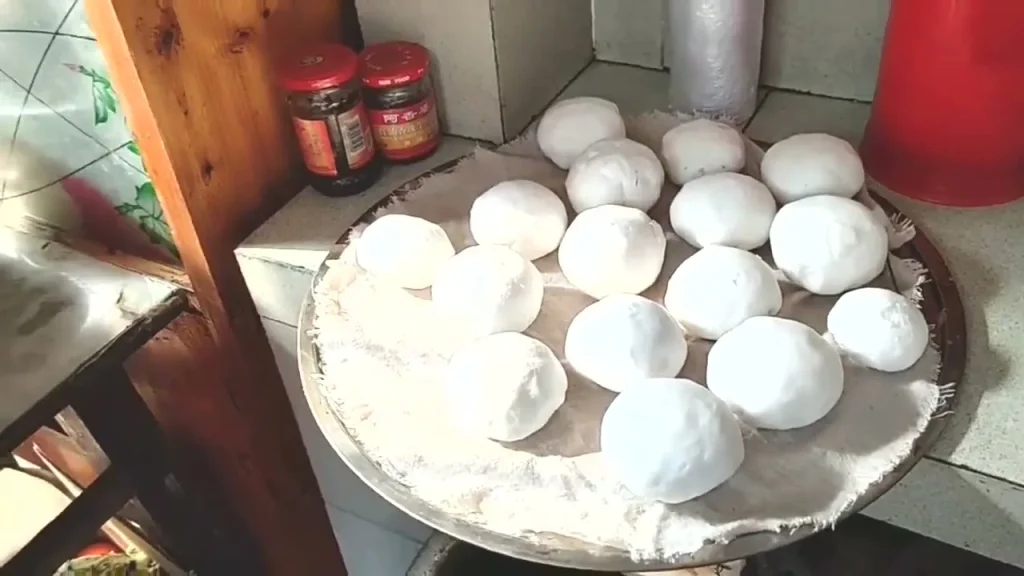
The Anhui families who make them have a saying that the earlier you eat the cakes, the earlier wealth arrives, so nobody waits until evening. I like that detail because it shows how a custom bends. The Kitchen God is the same across China, but what goes on the table for him depends on the village.
The days after the Little New Year go to cleaning and shopping. Sweeping the whole house before the holiday clears out the old year’s bad luck, and it has to be done early, because sweeping on New Year’s Day carries the opposite meaning. Families buy new clothes, food, red paper decorations and the year’s couplets.
New Year’s Eve and the first five days
New Year’s Eve, chuxi, is the center of the holiday. Families paste up couplets and door gods in the afternoon, make offerings to the ancestors, and sit down to the reunion dinner.
Fish is almost always on the table, since its name sounds like “surplus,” and in northern China dumplings are made that night for the morning.
Many families then stay up to see the new year in, which is called shousui, “keeping the year.” Firecrackers go off at midnight where they are still allowed.
Children receive red envelopes, hongbao (红包), with money inside, usually from parents and older relatives. The red envelope customs, who gives and how much, deserve more space than I can give them here.
New Year’s Day itself is for visiting and greeting. People call on elders and neighbors and say “xinnian kuaile,” happy new year, or “gongxi facai,” wishing you wealth.
On the second day married daughters traditionally go back to their parents’ home. Lion and dragon dances turn up in streets, malls and temple fairs through these first days.
The fifth day belongs to the God of Wealth. Shops reopen with firecrackers to welcome him, and in folk custom the fifth day also ends many of the restrictions that start on New Year’s Day. I come back to both the God of Wealth and those restrictions further down.
Days 6 to 15: back to work and the Lantern Festival
After the fifth day most people go back to work, but the season isn’t over. The seventh day is called renri, “everyone’s birthday,” because in the old story the goddess Nüwa made a different animal on each of the first six days of the year and people on the seventh.
The ninth day is the Jade Emperor’s birthday, which many people call the birthday of Heaven, and temples hold rites for him that day.
The fifteenth day is the Lantern Festival, Yuanxiao. It is the first full moon of the year, and families eat sweet rice-flour balls called tangyuan or yuanxiao, round like the moon. Lantern displays, riddles written on lanterns, and evening crowds close out the holiday.
When people ask how long Lunar New Year lasts, the honest answer depends on what they count. The public holiday in mainland China is four statutory days, which weekend swaps usually stretch to eight or nine. The festival runs from the Little New Year to the Lantern Festival, a little over three weeks. The couplets and fu signs, though, usually stay on the doors until the paper fades.
How to hang spring couplets, door gods and fu signs on New Year’s Eve
3 min read · 7 photos
Of all the Eve jobs, pasting up the couplets is the one I see people get wrong most often, and it happens in the afternoon of New Year’s Eve, before the reunion dinner.
A set of spring couplets, chunlian (春联), is three pieces of red paper: two vertical lines for the door posts and one short horizontal banner, hengpi (横批), for the lintel above.
Which couplet goes on the left? Read the horizontal banner first
The banner tells you which side is which. Read its four characters: if they run left to right, the first line of the couplet goes on the left post as you face the door and the second line on the right.
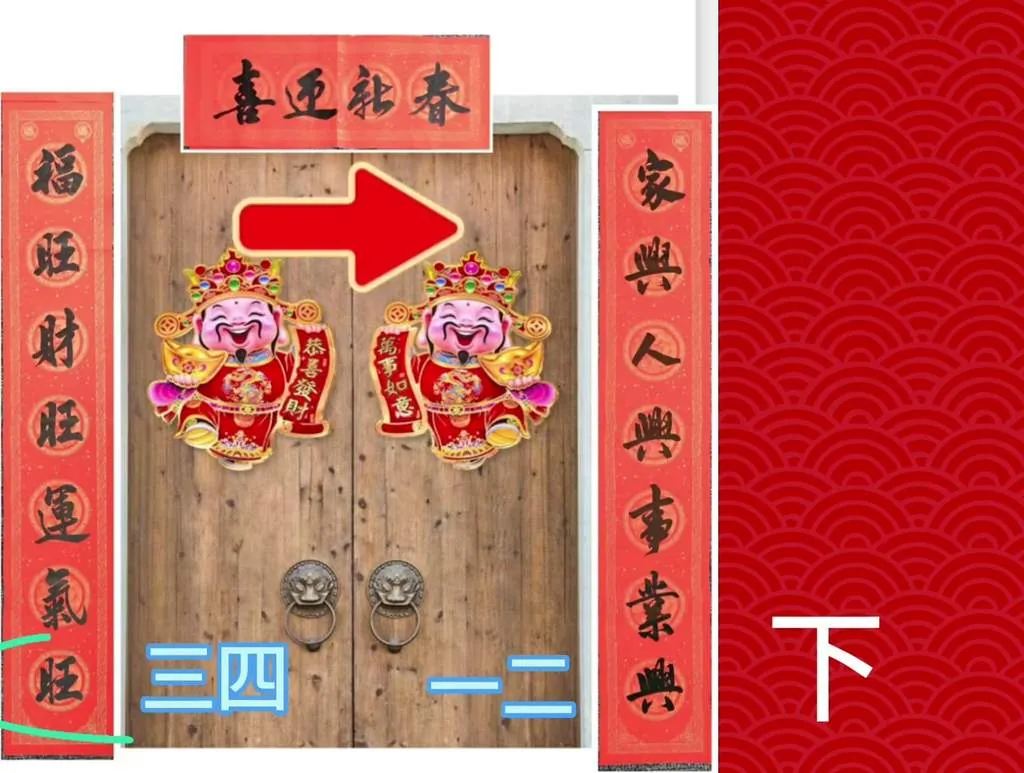
If the banner runs right to left, the two lines swap, with the first line on the right.
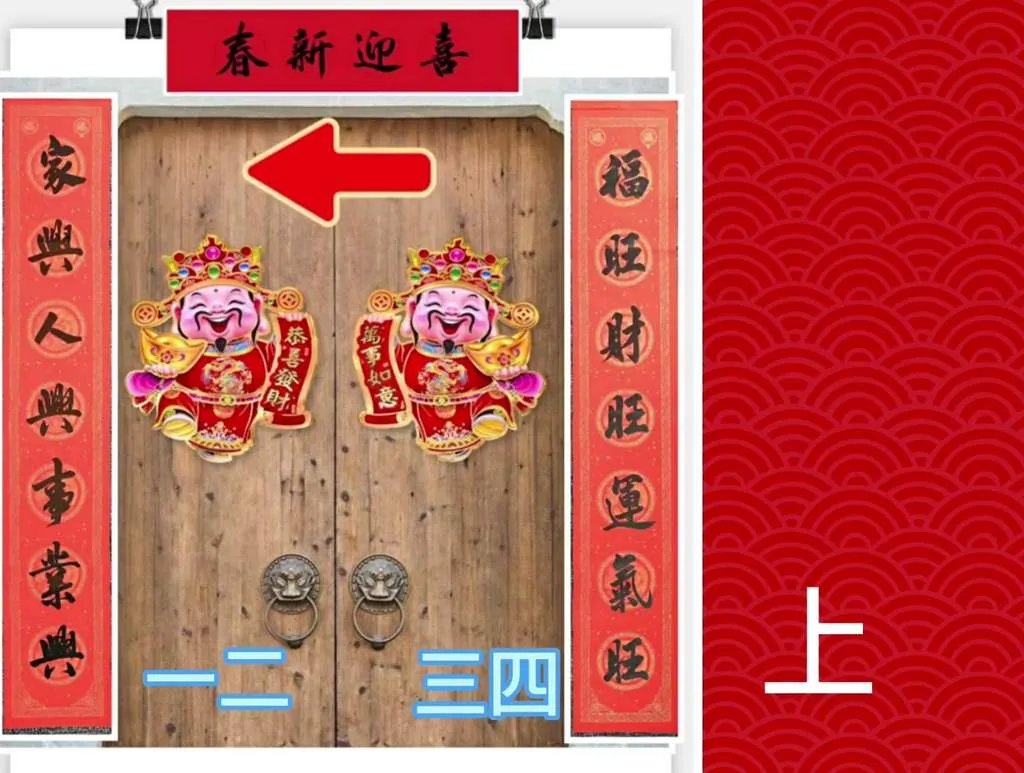
The right-to-left version is the older one. Chinese was traditionally written in columns from right to left, so classical couplets put the first line on the right. Printed couplets sold today often use a left-to-right banner, which is why people who learned the old rule end up with sets that look reversed.
That leaves the question of telling the first line from the second when nothing is labeled. Look at the last character of each line and its tone. The first line ends on a third or fourth tone, and the second line ends on a first or second tone.
In the common pair “Fortune, wealth and luck all flourish” and “Family, people and career all prosper,” the first ends in wàng (旺, fourth tone), the second in xīng (兴, first tone).
If you can’t read the tones, the banner is the fallback: hang the banner first, read its direction, then put the matching line on the side the banner starts from. The banner always reads toward the second line, so the first character of the banner sits above the first line.
Door gods, door flags and fu signs on every door
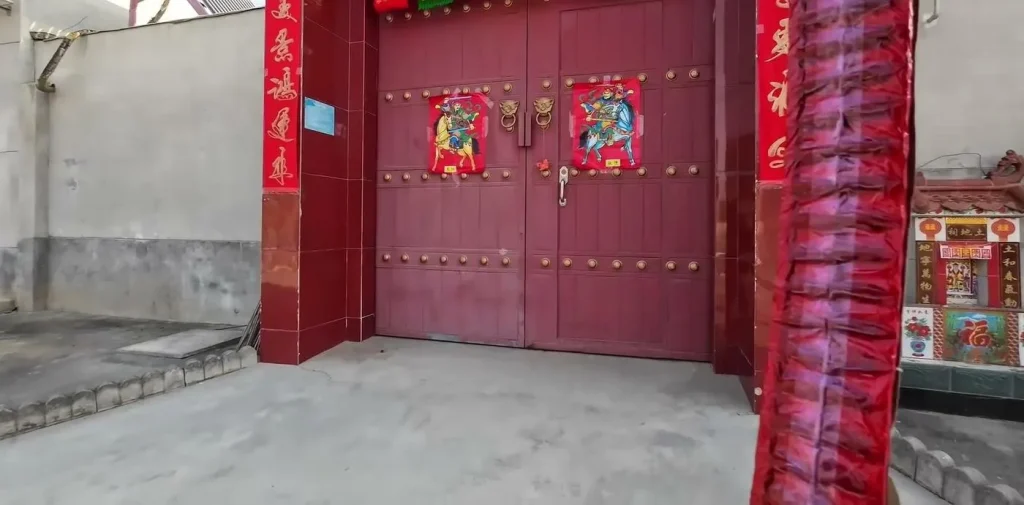
Couplets go up on every door, not just the main gate. On a typical rural house the courtyard gate, the back gate and each room’s door get their own pair and banner, even if the inner ones are small.
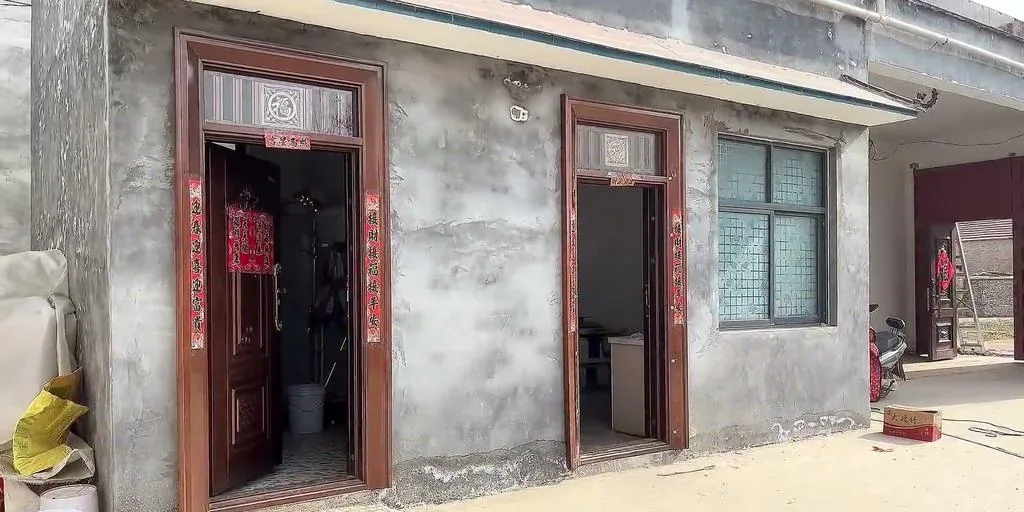
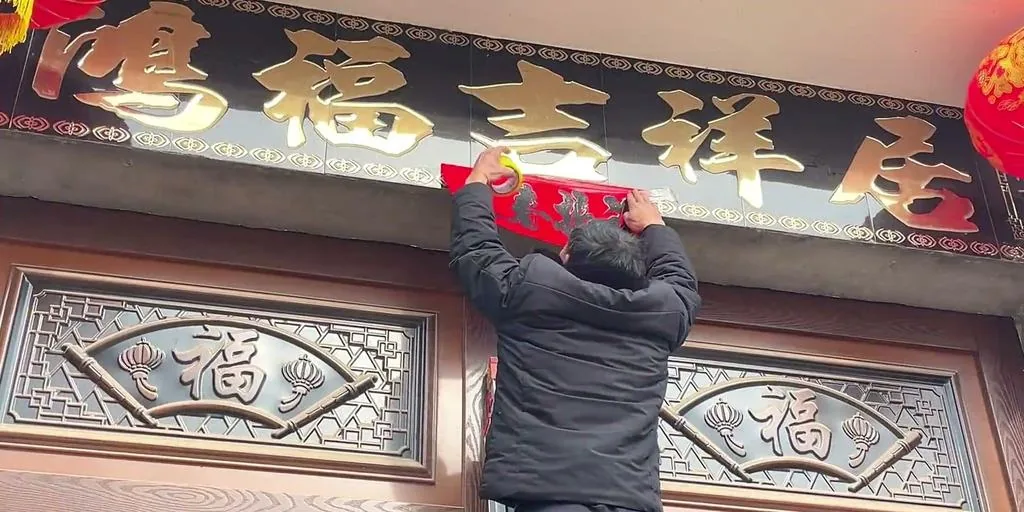
The horizontal banner usually goes up first, centered under the gate’s name plaque, then the long strips on the posts, which on a tall gate means a ladder.
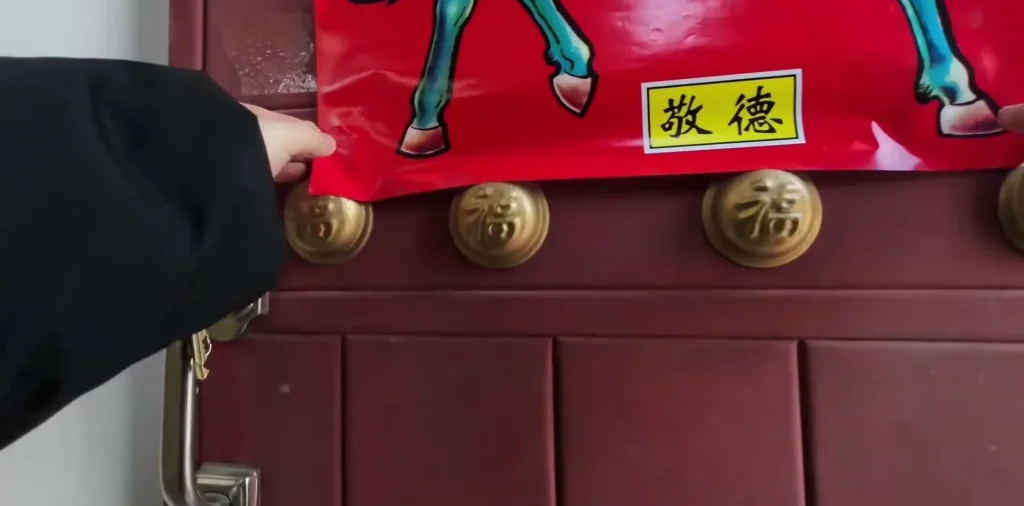
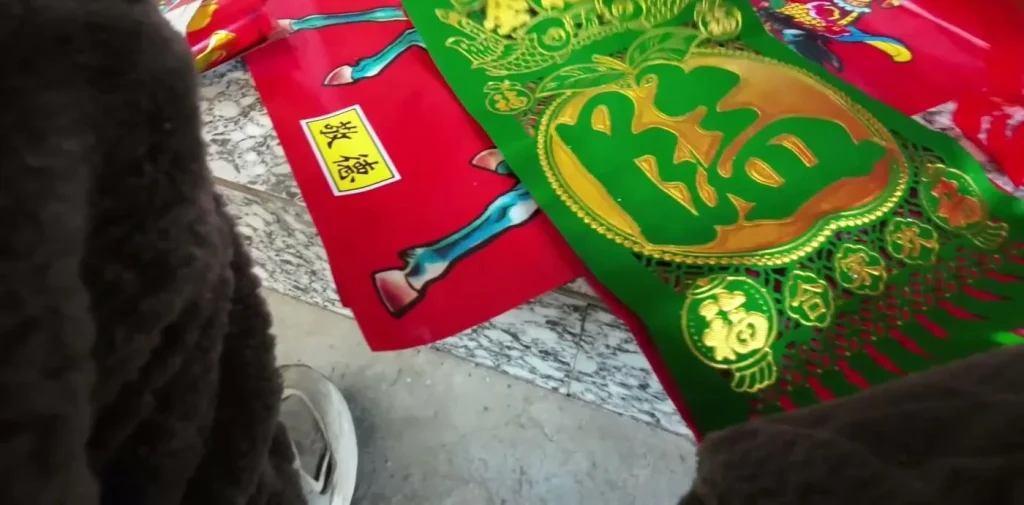
Door gods go on the two leaves of the main gate, facing each other. The pair is usually the Tang dynasty generals Yuchi Gong, also called Jingde, and Qin Qiong, and the prints are labeled with their names.
The story goes that Emperor Taizong of Tang was kept awake by ghosts at his door, so the two generals stood guard outside it all night. When the ghosts stayed away, he had their portraits painted on the gates instead, and the two generals have guarded doors at New Year ever since.
Pasting a door god means smoothing the paper flat over the studs and the panels so the wind doesn’t lift it.
In some northern villages a third kind of decoration goes up too: door flags, long paper strips in green, red and yellow hung above the lintel. They are cut and laid out on the ground with the door gods and the fu signs before anything is pasted, so the whole set goes up in one pass.
The character fu (福) means “good fortune,” and it goes on doors, walls, gate leaves and often on chests and rice bins.
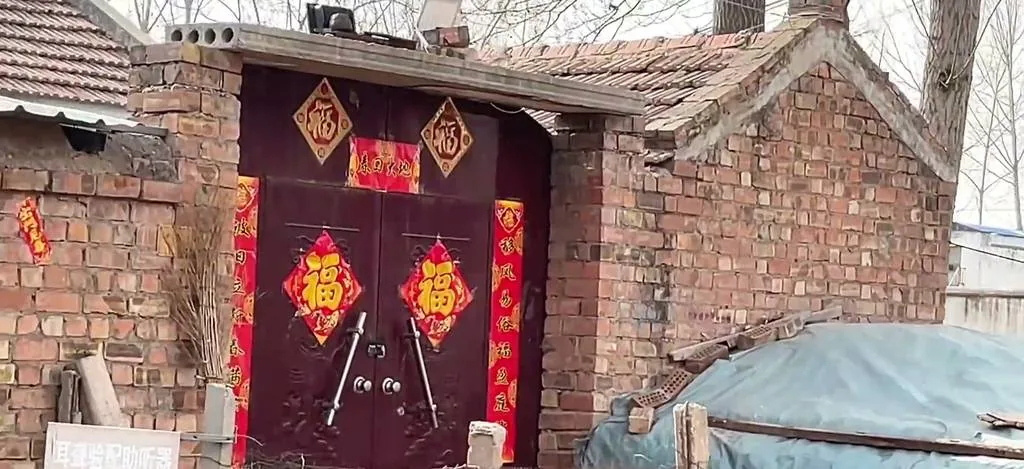
Many families hang it upside down on inner doors, because “fu is upside down” sounds the same as “fortune has arrived.” On the main gate most people keep it upright. When everything is up, the house is sealed in red for the night.
New Year at a Taoist temple: Xuanmiao Temple in Suzhou, from the Eve to the fifth day
3 min read · 5 photos
While families close their doors behind the door gods for the reunion dinner, a Taoist temple does the opposite and opens all night.
I belong to the Maoshan tradition, but every temple keeps its own New Year schedule, so the one below is Xuanmiao Temple’s, in the center of Suzhou, just west of Shanghai. It is not Maoshan’s calendar.
The temple’s New Year calendar, from the 24th day of the last month
Xuanmiao’s season starts on the 24th day of the twelfth month, when the temple holds a rite to thank the Tai Sui (太岁) of the outgoing year, the god in charge of that year.
The priests hand out spring couplets that same day, and they write fu characters by hand on red paper for visitors to take home. New Year’s Eve has an all-night ceremony, covered in the next section.
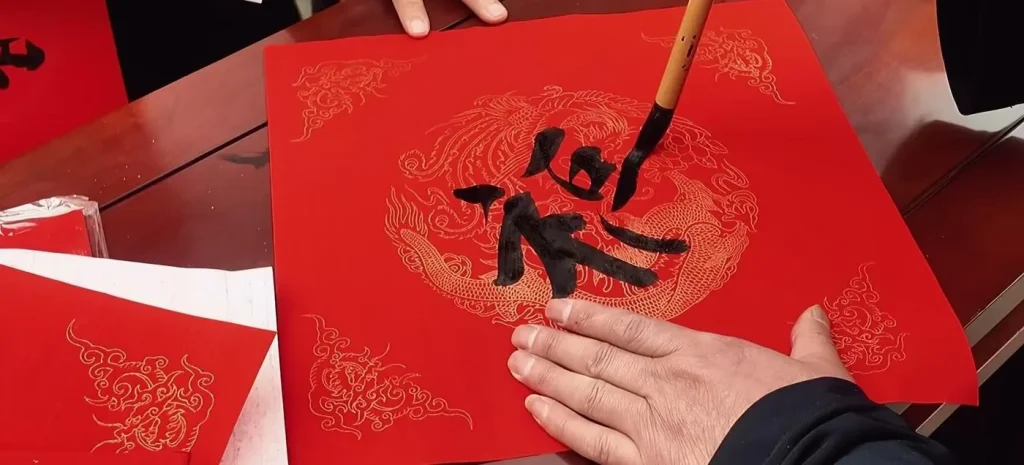
From the second day of the new year the temple holds rites to settle the Tai Sui of the coming year. People whose sign clashes with the new year, or whose own animal year it is, register so that the year’s god looks after them.
Those rites run on many days, including the 3rd, 6th, 7th, 8th, 12th, 13th and 19th. You only need to sign up for one of them.
The evening of the fourth day is for welcoming the God of Wealth, and the morning of the fifth is his parade.
The ninth day honors the Jade Emperor, and the Lantern Festival has a rite for the Heavenly Official of the first season, the god who hands out blessings at the start of the year. During the holiday the temple sells paper tickets on site only.
New Year’s Eve: closed at 2 p.m., open all night from 9 p.m.
On New Year’s Eve the temple closes its gates at 2 p.m. so the staff can prepare, and a red notice on the gate asks visitors to pass the word.
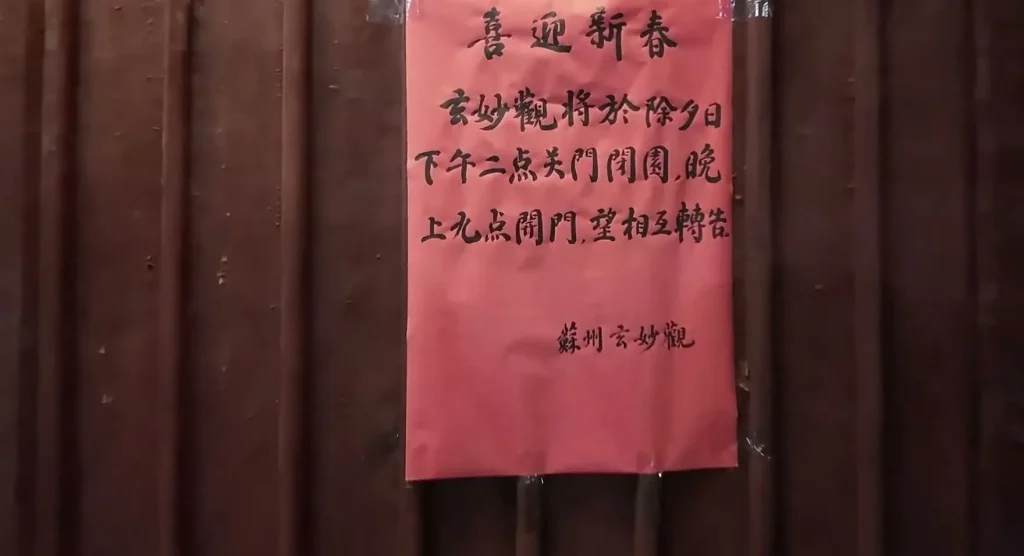
The gates open again at 9 p.m., and from then most halls stay open through the night. In the year I’m describing, only the Wenchang Hall, for the god of scholars, closed.
Two ceremonies run that night in two separate halls. The New Year blessing ceremony is in the Hall of the Three Pure Ones, the three highest gods of Taoism, and the rite to settle the Tai Sui is in the Tai Sui Hall.
People taking part register at tables outside and receive a written petition form and a small blessing pack. Lay volunteers staff those tables, sign in for the night, and get a meal ticket for a late supper when the ceremonies end.
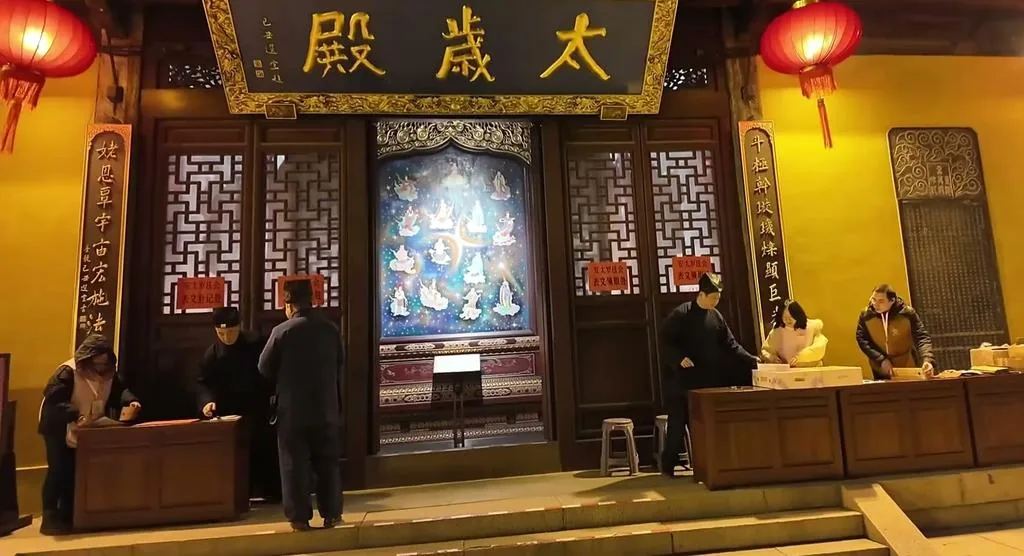
At two in the morning priests are still on duty in the halls. For the people who live and work in a temple, New Year’s Eve is a night without sleep, and that is normal.
The fifth day: the God of Wealth goes on parade
On the morning of the fifth day the statue of the God of Wealth is carried out of the Hall of the God of Wealth and taken through Guanqian Street, the shopping street in front of the temple.
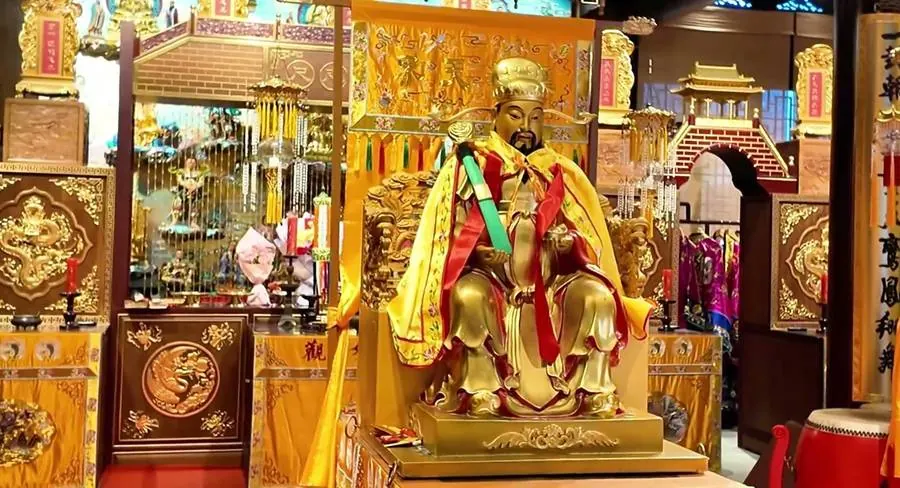
The parade starts early and was over by about half past nine that year, when everyone gathered at the main gate for a group photo.
People who want to burn incense to the God of Wealth that day are better off buying the incense-and-flower ticket in advance; without it you wait in line twice. Entry through the main gate was free that morning. In the afternoon the offerings were handed out, and by a little after five most halls had closed.
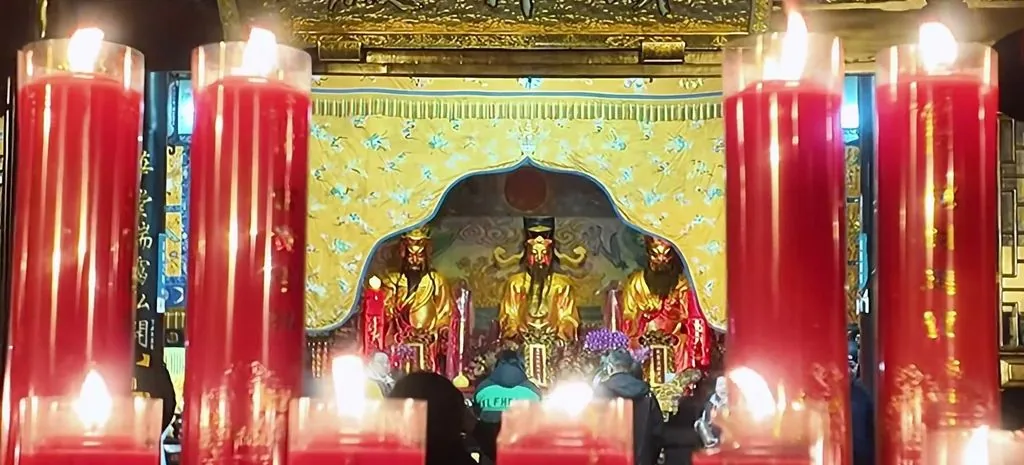
That evening marks the end of the temple’s busiest stretch of the whole year. The fifth day matters outside the temple too, because the God of Wealth’s day is also the day the folk taboos lift.
What not to do during Lunar New Year, and when the rules lift
1 min read
The fifth day is called powu (破五), “breaking the fifth,” because many of the New Year restrictions end then.
Most of them apply to New Year’s Day and the days right after it. Each one comes from a pun, or from the idea that what you do on the first day sets the pattern for the year. These are the ones I hear most often:
- Don’t sweep or take out the trash on New Year’s Day; you would be sweeping the new luck out of the house.
- Don’t wash your hair on the first day; the word for hair sounds like the “fa” in “getting rich.”
- Don’t break dishes. If one breaks, say “suisui ping’an,” peace year after year, since “broken” sounds like “year.”
- Avoid words like death, illness and poverty, and don’t argue or cry.
- Don’t give a clock as a gift; “giving a clock” sounds like attending a funeral.
- Try not to lend or borrow money, so the year doesn’t start in debt.
None of these are religious law. They are household customs, and families keep different versions; the first three are the ones I still see most households keep. After the fifth day the broom comes back out, shops are open, and ordinary life starts again, with the Lantern Festival still to come on the fifteenth.
Newest in this topic
- Chinese New Year’s Calendar: Lunar Months and 2027 DatesThe Chinese New Year's calendar runs on lunar months, with a leap month every two or three years. How it builds a year, and how to read a daily almanac page.
- When Is This Year’s Chinese New Year? Date and AnimalThis year's Chinese New Year was February 17, 2026, and the next is February 6, 2027. Which animal is in charge now, and how to check any year's date.
- Chinese Spring Rolls Recipe: Traditional Shanghai New Year RollsA traditional Chinese spring rolls recipe from the Shanghai countryside, with pork and yellow chive, radish and red bean fillings, plus the cooling and sealing steps that keep them crisp.
All guides in this topic
38 guides
Angpao Chinese New Year: Red Envelopes and New Year Money
Angpao (ang pow) is the Hokkien name for the Chinese New Year red packet. Who gives one in Singapore and Malaysia, lucky amounts, new notes, and how to receive it.
Chinese New Year 2027: Date, Fire Goat Year and Key Days
Chinese New Year 2027 falls on Saturday, February 6. The Fire Goat year, the dates from Little New Year to the Lantern Festival, and what happens on each.
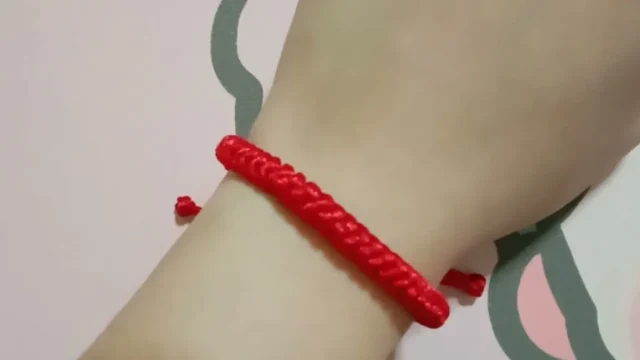
Chinese New Year Bracelet: Make a Lunar New Year Red String
How to tie a Chinese New Year bracelet: a ruyi red string in 10 steps, with cord lengths, a photo of each knot, and why people wear one.
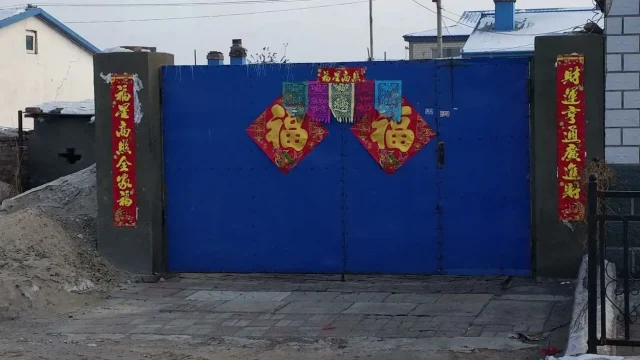
Chinese New Year Couplets: Spring Festival Couplets to Hang
Chinese New Year couplets go up in a set of three red strips. Real examples with pinyin, plus step-by-step photos of pasting a set on a village door.
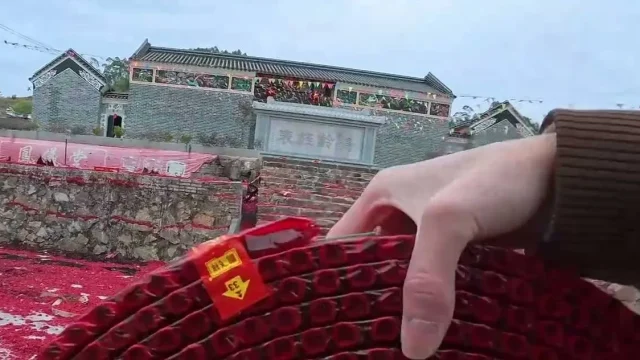
Chinese New Year Crackers: What They’re Called, Where to Buy
Chinese New Year crackers usually means firecrackers, called bianpao in Mandarin. What's inside a coil, what the labels mean, and which hanging decorations never go bang.
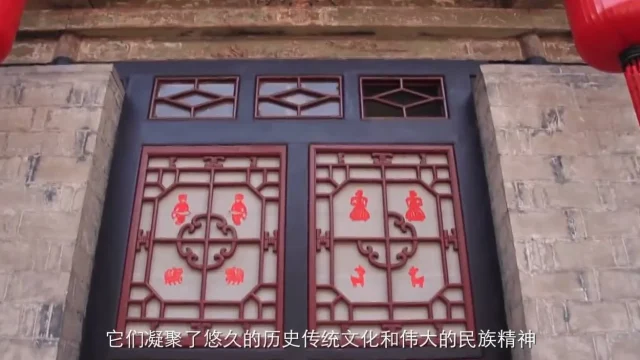
Chinese New Year Decorations: Names, Meanings, When to Hang
Window paper-cuts, fu signs, New Year prints, door gods, lanterns and knots: what each Chinese New Year decoration means, where it goes, and when it comes down.
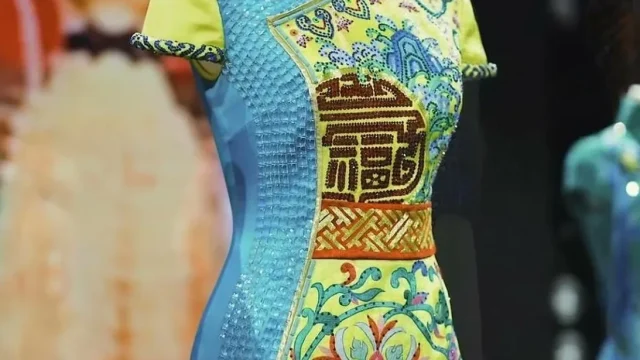
Chinese New Year Dress: Outfits and Lunar New Year Clothes
What to wear for Chinese New Year: the qipao and how to read its collar, fabric and patterns, Tang suits and shirts for men, hanfu, kids' outfits and how to choose.

Chinese New Year Fireworks: Why Firecrackers? Are They Legal?
Why firecrackers go off at Chinese New Year, which days they're set off, how one long string burns, where they're banned, and what the injury numbers show.
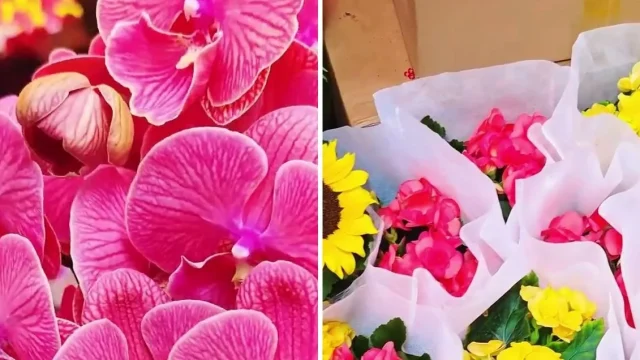
Chinese New Year Flowers: Meanings and Lunar New Year Picks
Narcissus for wealth, gladiolus for promotion, kumquat trees for luck: what each Chinese New Year flower means, when to buy it, and how to keep it fresh to the 15th.
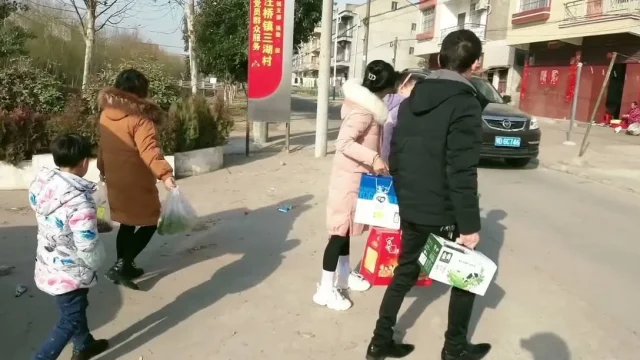
Chinese New Year Gift Etiquette: What to Bring and Avoid
How gift etiquette works on a Chinese New Year visit: boxed food in pairs, handing it over with both hands, why hosts don't open it, and what never to give.

Chinese New Year Jewelry: Gold, Longevity Locks, Red String
What jewelry Chinese families buy and give for the New Year: gold bangles, gold and silver longevity locks for babies, and red string for your zodiac year.
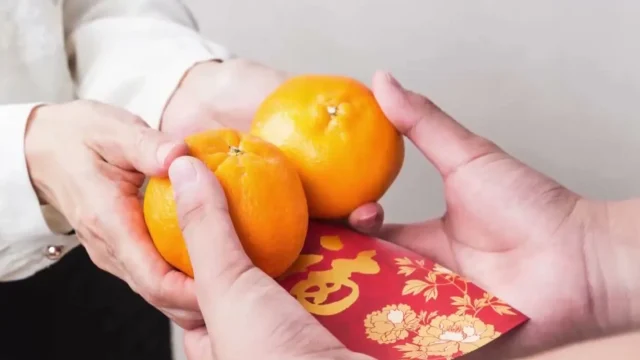
Chinese New Year Oranges: Why Mandarin Oranges Bring Luck
Why mandarin oranges stand for gold and luck at Chinese New Year, which citrus is which, and how to pick, display and give them in pairs when you visit.
Chinese New Year Plants: Lunar New Year Plant Meanings
Which plants to keep at Chinese New Year, what each one wishes for, which names are wrong, what's unsafe for kids and pets, and which pots can bloom again.
Chinese New Year’s Calendar: Lunar Months and 2027 Dates
The Chinese New Year's calendar runs on lunar months, with a leap month every two or three years. How it builds a year, and how to read a daily almanac page.
Chinese New Year’s Day: Dates, First-Day Customs and Food
Chinese New Year's Day falls on February 6, 2027. How the first lunar day runs: opening firecrackers, New Year calls, tangyuan or dumplings, and temple visits.
Chinese New Year’s Eve: Traditions, Food and Meaning
Chinese New Year's Eve (chuxi) is the last night of the lunar year: couplets, ancestor offerings, the reunion dinner, red envelopes, staying up and midnight firecrackers.

Chinese Spring Rolls Recipe: Traditional Shanghai New Year Rolls
A traditional Chinese spring rolls recipe from the Shanghai countryside, with pork and yellow chive, radish and red bean fillings, plus the cooling and sealing steps that keep them crisp.
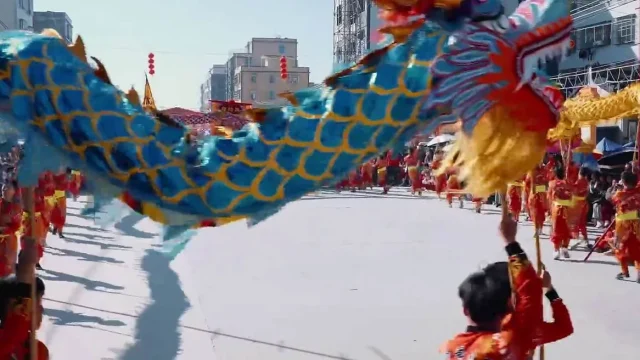
Dragon Dance for Chinese New Year: Meaning and Origin
How a dragon dance works, from the pearl and the poles to the pole-climbing finale, why it comes out at Chinese New Year, and how it began as a prayer for rain.
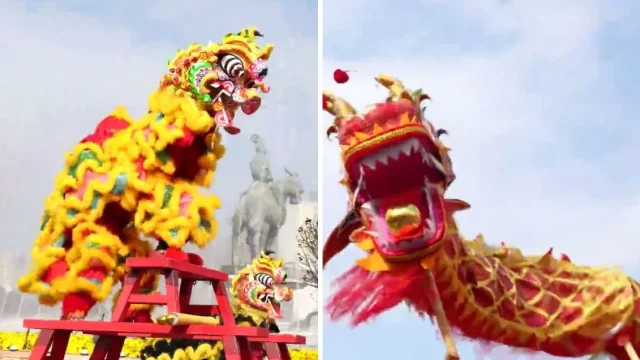
Dragon Dance vs Lion Dance: Lion vs Dragon at Lunar New Year
A lion is two dancers in one costume, a dragon is a whole team on poles. How the two dances differ in costume, moves, origin and when to book each.
Dui Lian for Chinese New Year: Meaning, Rules and Examples
Dui lian are the paired red lines on Chinese New Year doors. How the two lines match in tone, four classic couplets in pinyin, and how to pick a set.
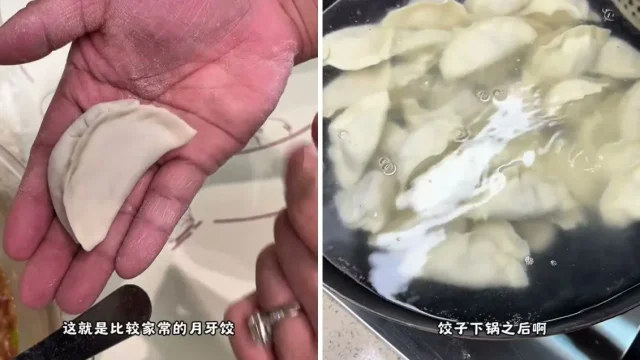
Dumplings for Chinese New Year: Meaning, Fillings and Recipe
Why northern Chinese families wrap dumplings on New Year's Eve, what the shape, the hidden coin and each filling stand for, and a pork and napa cabbage recipe with photos of every key step.
Happiness Chinese New Year: Say Happy New Year in Chinese
How to wish someone happiness at Chinese New Year: xinnian kuaile, guonian hao and gong xi fa cai, the four-character wishes, 2027 Goat lines, and replies.
Kitchen God
Who the Kitchen God Zao Jun is, why families send him to heaven on the 23rd of the last lunar month with sticky candy, how to read his print, and when he comes back.
Lion Dance in Chinese Weddings and Business Openings
Why shops and couples book a lion, what happens from offerings to the four eye dots, how wedding lions work on the road and at the reception, and what to prepare.
Key terms in this guide
Full glossary →More topics
- Chinese FestivalsEvery traditional Chinese festival with its lunar date and 2027 date, why the dates move, how each one is kept, and which ones bring days off.1 guide