Chinese New Year Plants: Lunar New Year Plant Meanings
By Daozhang MaMaoshan Taoist, Jintan, Jiangsu
In short
Which plants belong in the house at Chinese New Year? The classic lineup is a fruiting citrus tree by the door, moth orchids, narcissus, lucky bamboo and pussy willow, with money trees and jade plants filling in for many families outside China. Each one is picked because its name, color or shape carries a wish for wealth, luck or a family that stays together.
The lucky-plant lists tend to stop there, and they leave out the useful part. Several of these names are simply wrong, one of the best-looking fruits can’t be eaten, and a lot of the pots go in the trash days after the holiday when they could have flowered again. So the meanings come first here, and then I’ll sort the true names from the false ones and get to what’s safe around kids and pets and what’s worth keeping.
Chinese New Year plants and what each one wishes for
Few homes buy all of these. Most pick two or three that suit the space, so it helps to see the wish and the plant side by side, along with what the plant really is.
| Plant | Chinese name | The wish | What it really is |
|---|---|---|---|
| New Year citrus tree | 年桔 nianju | Great luck, because 桔 sounds like 吉, “lucky” | A true citrus |
| Moth orchid | 蝴蝶兰 hudie lan | Wealth and refinement | A true orchid that lives for years |
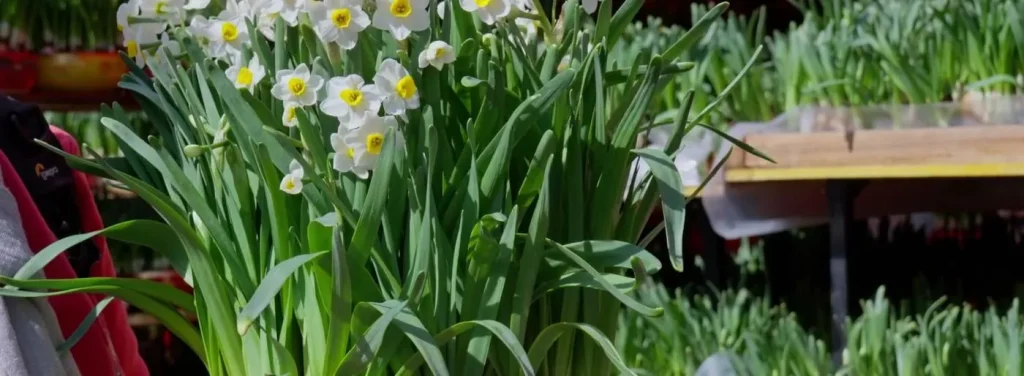
| Narcissus | 水仙 shuixian | Good fortune and family reunion | A bulb plant with irritating sap |
| Lucky bamboo | 富贵竹 fugui zhu | Wealth and high standing | A dracaena, not a bamboo |
| Money tree | 发财树 facai shu | Getting rich | A tropical tree, usually braided |
| Jade plant | 玉树 yushu | Wealth | A succulent from South Africa |
| Pussy willow | 银柳 yinliu | Silver coming home, thriving business | A true willow |
| Peach blossom | 桃花 taohua | Love, and big plans taking off | Cut branches of a real peach |
| Wintersweet | 蜡梅 lamei | Sweetness after hard times, a turn of luck | Not a plum, whatever the name says |
| Nipple fruit | 乳茄 ruqie | Five generations under one roof | A true nightshade you can’t eat |
| Lily | 百合 baihe | A hundred years of harmony | A true lily, dangerous to cats |
Meanings shift from one region to the next, so treat that column as the common reading. If you want a vase instead of a pot, go to Chinese New Year flowers and their meanings for the cut-flower side of the custom, with the sound puns, market buying and gladiolus.
Lucky bamboo, snow willow and other Chinese New Year plants with misleading names
That last column is where the names start falling apart, and lucky bamboo is the worst offender. It isn’t a bamboo at all. It’s Dracaena sanderiana, a member of the dracaena genus in the asparagus family, which makes it a cousin of the corn plants sold at any garden center.
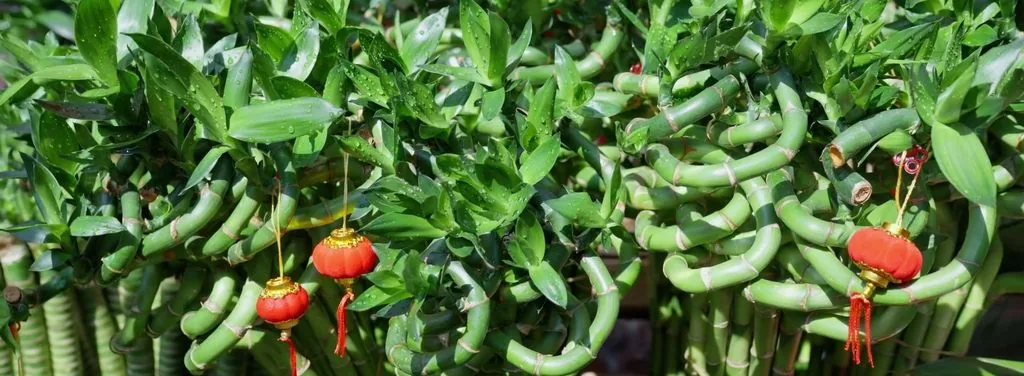
Its Chinese name, fugui zhu, means “wealth-and-rank bamboo,” and the bamboo part is pure looks. Strip off the leaves and the ringed stalk does pass for the real thing. It grows in plain water and puts up with shade, which is why it’s one of the most common office plants in China.
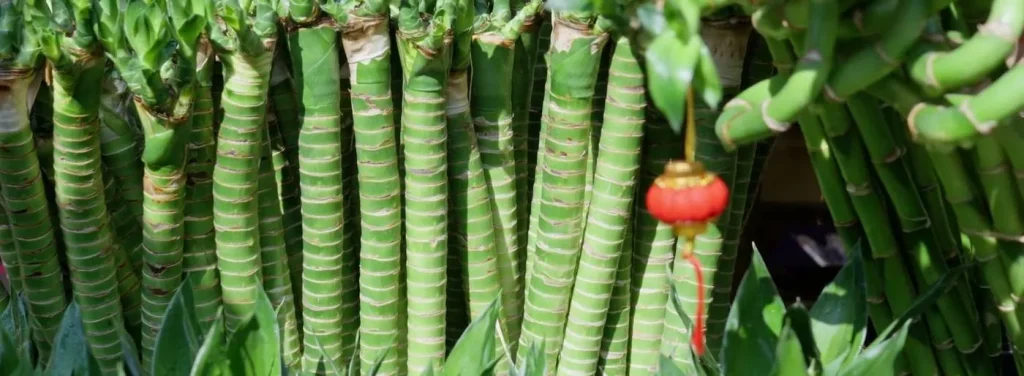
Feng shui shops usually count the stalks: three for happiness, eight for wealth, and never four, since four sounds like the word for death. I keep three in a jar of water on the table where I write charms, because they need so little from me.
Wintersweet is a false name of a quieter kind. The mei in lamei is the word for plum, yet the plant isn’t a plum. It belongs to the genus Chimonanthus in the sweetshrub family (Calycanthaceae), and its yellow, waxy flowers open on bare branches before any leaf shows. That order is the whole wish: the sweetness comes first in the cold, so people read it as good times arriving after hard ones. Up on Maoshan it blooms in the coldest weeks, and one branch will scent a room.
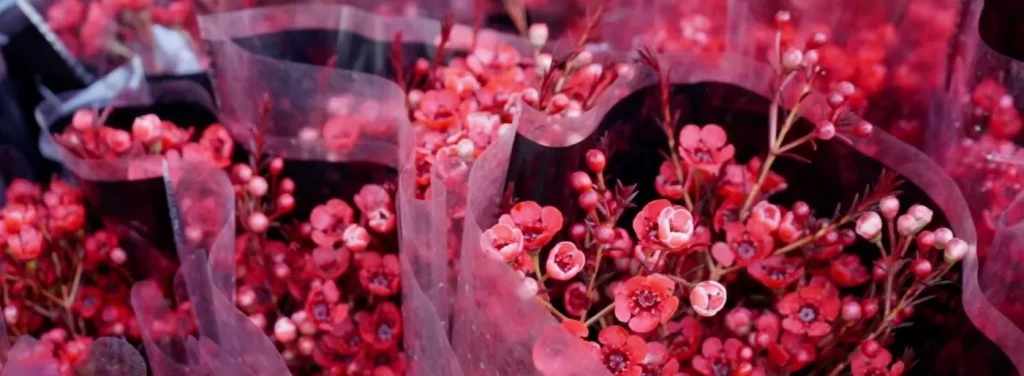
Markets then add a second layer of confusion by selling “Australian wintersweet,” 澳洲蜡梅. It’s neither a plum nor a wintersweet. In English it’s waxflower, a small-flowered shrub from Australia, and it’s often dyed for the season.
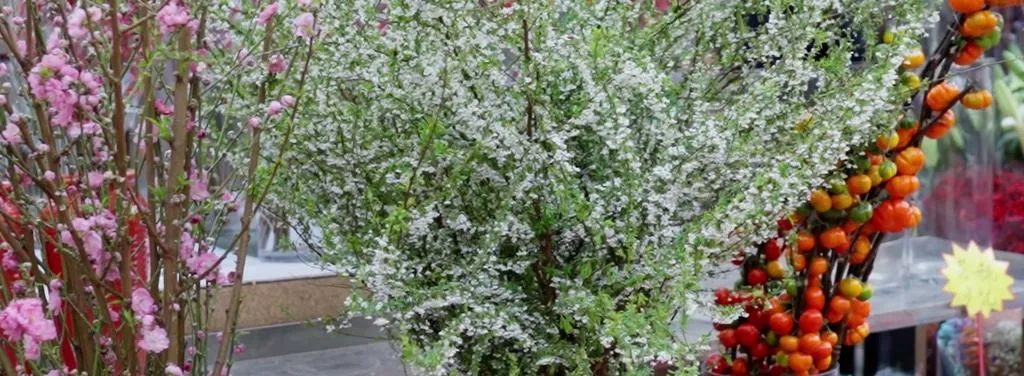
Snow willow, 雪柳 xueliu, isn’t a willow either. It got the name from its soft, spreading branches, which hold a mist of tiny white flowers.
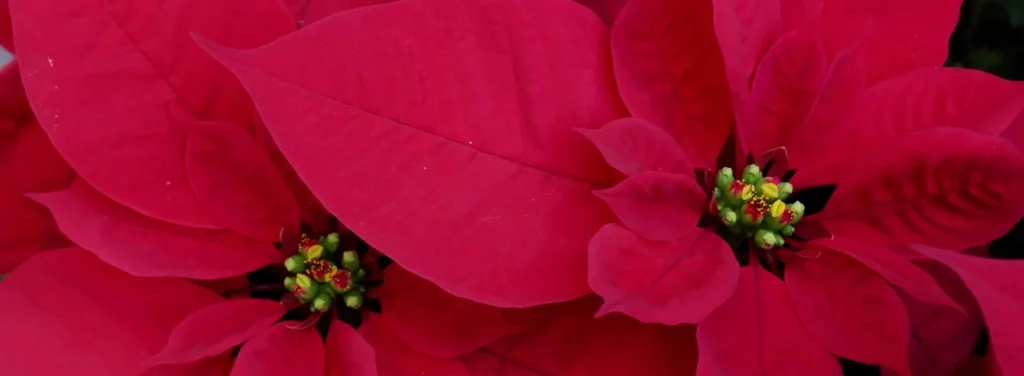
Poinsettia misleads in a different way, because the name is fine and the flower isn’t a flower. Americans know it from Christmas, and it sells just as well at Chinese New Year for the color. The red parts are bracts, which are leaves that have turned color, and the true flowers are the small cluster in the middle.
Pussy willow, nipple fruit and New Year citrus: three names that hold up
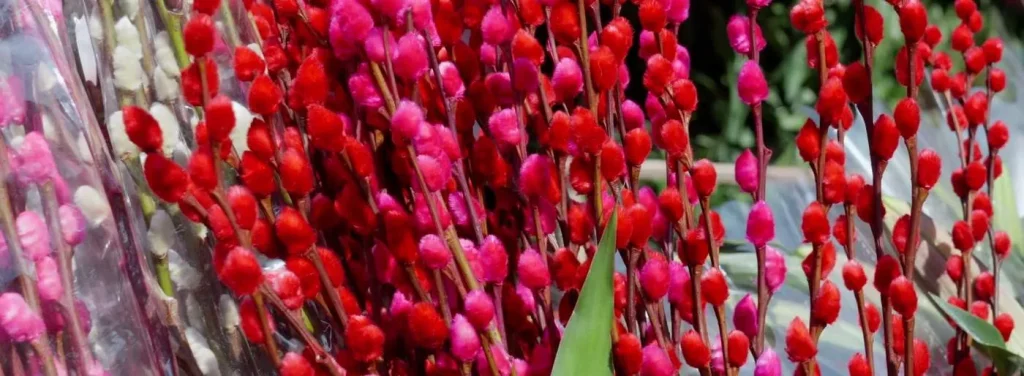
After that run of false labels, three plants turn out to be exactly what the tag says, and they’re the three people doubt most. Pussy willow looks too decorated to be a willow, yet it’s a true member of the willow family and the genus Salix. The buds carry a white fuzz that looks like a coat of silver frost.
That silver is the point of the plant, since the wish is literally silver money coming home and business doing well. The natural color is silvery white. The red and pink bundles you’ll see are mostly dyed, because bright buds suit the holiday better.
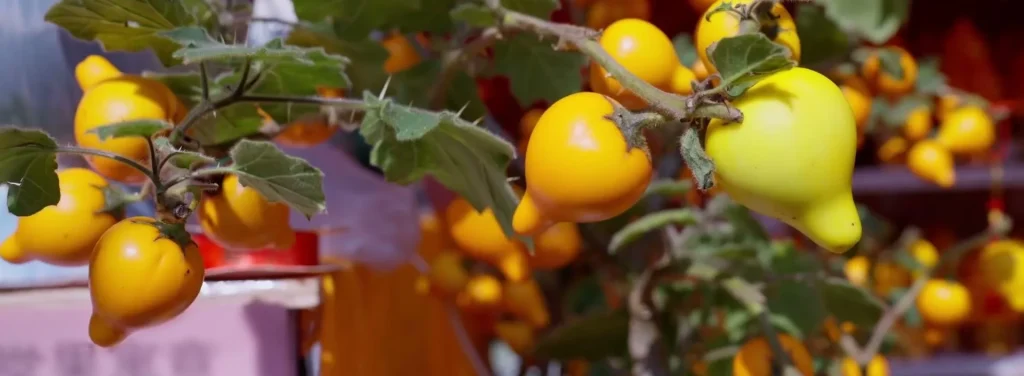
Nipple fruit, Solanum mammosum, sounds invented, but it really is a nightshade, in the same family as tomatoes and eggplants. Unlike them, it isn’t food. Its fruit has small knobs around the stem end, and people count five of them, like five fingers held together or five generations of a family sitting in a circle. Hence the market name, 五代同堂, five generations under one roof.
Those cut branches travel home any way they can.

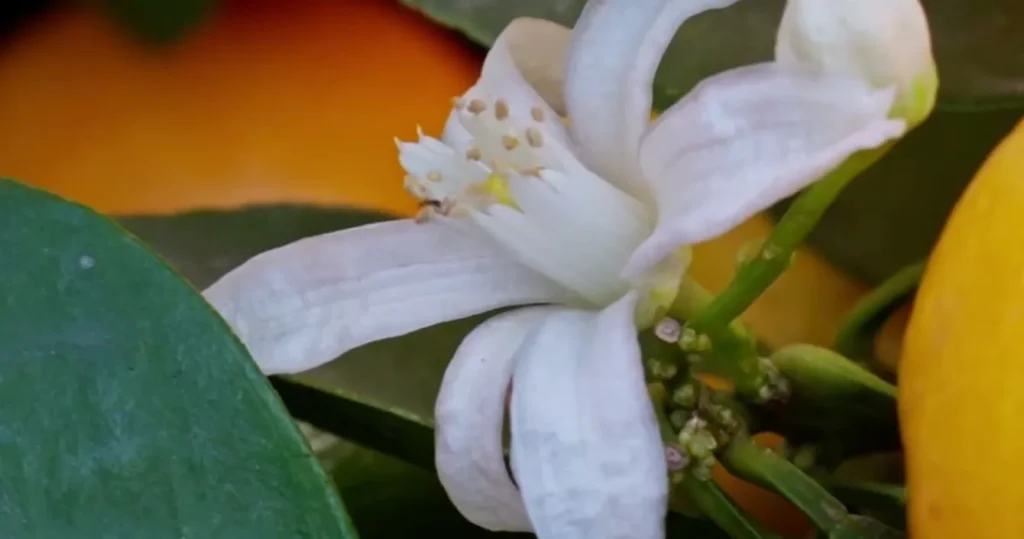
The New Year citrus tree, nianju, is the one that anchors the holiday in Lingnan, the far south of China around Guangdong. The reason is a pun: 桔, the character for this fruit, sounds like 吉, “lucky,” so a pot of gold fruit carries great luck into the house. All through the holiday you’ll see these trees at doorways there, sometimes hung with red envelopes, the paper packets of gift money.
English names for these trees don’t line up well. Shops say kumquat tree, calamondin (a small sour citrus) or mandarin tree, and the plants under those tags vary. All of them are real citrus, but they’re grown to look at and don’t taste good, so don’t plan on eating the decoration. The fruit you do eat and hand around is a separate custom, covered in why mandarin oranges bring luck.
Money trees and jade plants: the New Year houseplants American stores carry
A nianju tree can be hard to find at an American garden center, and pussy willow may only turn up in a florist’s bucket. So in the US the two plants people reach for are the ones already in the houseplant aisle, and neither comes with a false name to clear up.
The money tree is Pachira aquatica, a tree from the wetlands of Central and South America, usually sold with several thin trunks braided together. It often carries five leaves on a stem, and five is a number feng shui practice likes. The braid is styling and nothing more. The New York Botanical Garden repeats the story that it began with a Taiwanese truck driver in the 1980s, but calls it a rumor, so I’d take it as one.
The jade plant is Crassula ovata, a South African succulent (a plant that stores water in thick leaves). Its round, fleshy leaves are the attraction, because people see coins in them. Be careful with the similar “Chinese money plant,” Pilea peperomioides. It’s a separate houseplant with coin-round leaves, and the label is a Western nickname with no New Year custom behind it that I know of.
Where to put Chinese New Year plants in your home
Knowing what a plant really is also tells you where it’ll survive, and that’s a better guide than any fixed diagram. Here’s how I’d place them:
- At the front door: the citrus tree, so the wish for luck is the first thing a guest passes. A pair looks better than one if you have the room.
- In the living room: moth orchids, peach blossom and lilies, where the family sits through the holiday.
- On a high shelf: narcissus, if you have children or pets.
- On a desk or in a dim corner: lucky bamboo, the one plant here that doesn’t mind low light.
- At the sunniest window: kalanchoe and the jade plant, both of which rot in dark, damp spots.
A moth orchid also makes a good gift for an older relative, since it lasts well past the holiday. If you’re carrying one to someone’s home, the gift etiquette for New Year visits covers giving in pairs and handing it over with both hands. And plants are only one layer of the house: the door couplets, paper-cuts and lanterns go up at the same time.
Which Chinese New Year plants aren’t safe around children and pets
That high shelf for narcissus isn’t a fussy detail, because a good part of this lineup is at least mildly poisonous. Most guides to lucky plants skip this, and most of the risk comes from plants that look edible:
- Narcissus: the bulb is easy to confuse with a scallion or garlic, and both the bulb and the sap are irritants. Never cook with it, and wash up after handling it.
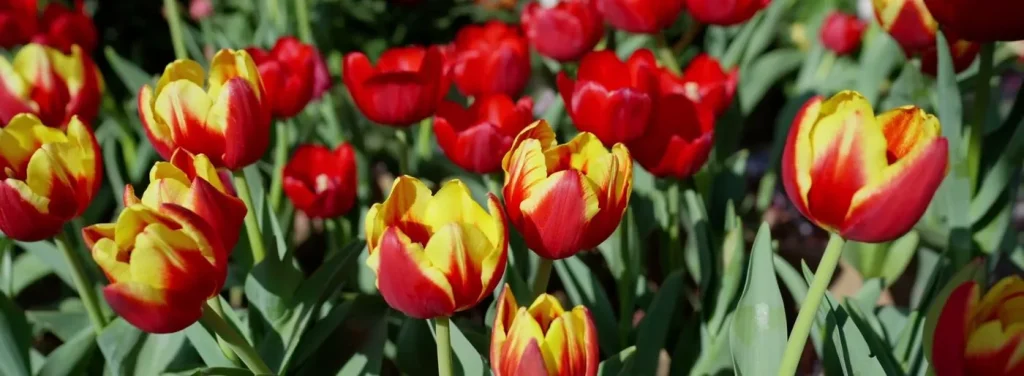
- Amaryllis and tulips: these grow from bulbs, as onions do, but they’re for display only. The ASPCA lists amaryllis as toxic to dogs, cats and horses.
- Nipple fruit: the fruit looks like a toy, which is the problem. Keep the branches out of a small child’s reach.
- Lilies: the ASPCA warns that true lilies can cause kidney failure in cats, so skip them if you have a cat.
- Lucky bamboo: the ASPCA lists the dracaena genus as toxic to cats and dogs, which matters more than usual since it often sits at floor level in a jar.
- Jade plant: the ASPCA lists it as toxic to dogs, cats and horses.
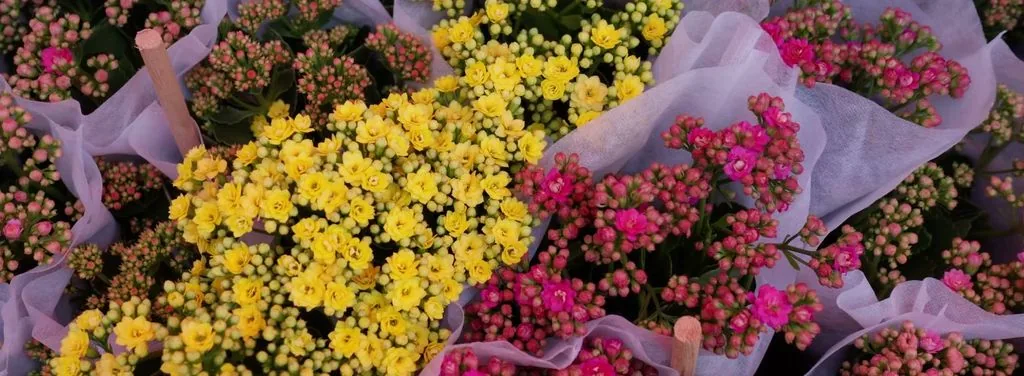
- Kalanchoe: the ASPCA lists it as toxic to dogs and cats.
- Poinsettia: the ASPCA calls its toxicity “generally over-rated.” The sap can irritate the mouth and upset the stomach, so keep it out of reach without worrying much.
If a pet chews on any of these, call your vet or the ASPCA Animal Poison Control Center at (888) 426-4435. For a child, call Poison Help at (800) 222-1222.
Keeping Chinese New Year plants after the holiday instead of throwing them out
Once the Lantern Festival on the 15th day has passed, the last question is what to do with the pots. In flower-market cities the answer is often the trash can, and spent orchids and citrus trees pile up beside it. Most of these plants aren’t disposable, though, and a few will give you a second show.
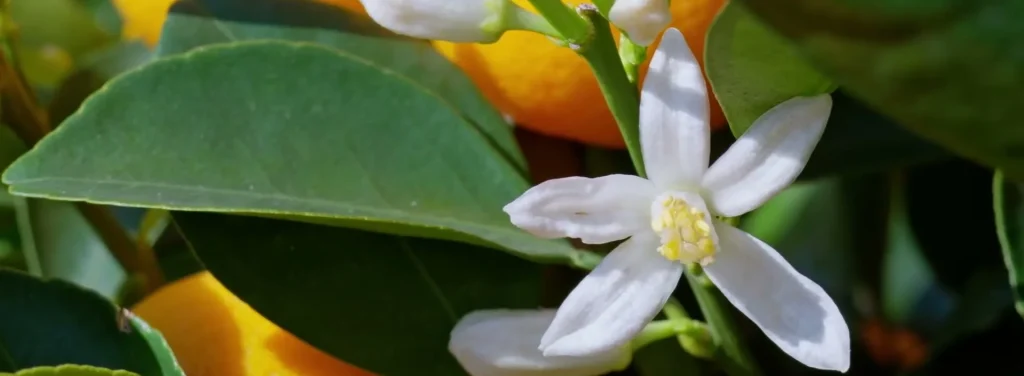
The citrus tree is the easiest to misjudge. Its fruit drops once the holiday is over, and the bare-looking plant seems finished. Keep it in the brightest spot you have and it can flower again, and the blossoms smell sweet.
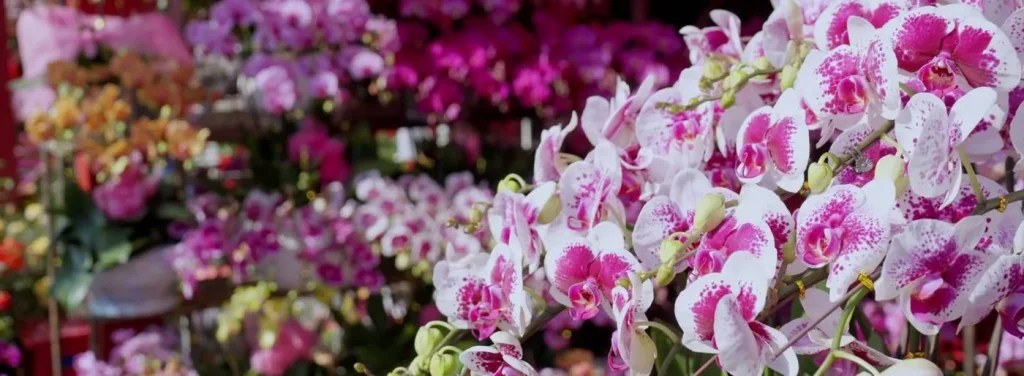
A moth orchid is a perennial, meaning it comes back for years, even though plenty of people treat it like a bouquet. When the flowers fade, cut off the flower spike and keep the plant out of direct sun. It reblooms readily. I’ve kept one going at home for years this way, and it costs me about a minute a week.
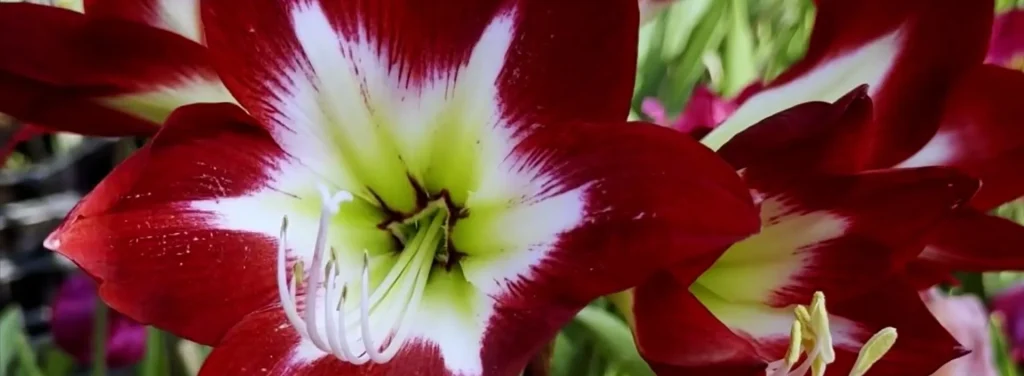
Amaryllis sold for the holiday often comes as a wax-coated bulb that flowers with no soil at all. After it finishes, peel the wax off and plant the bulb, and it can bloom again the next year. Leave the wax on and the bulb has nowhere to root.
Kalanchoe is the one that disappoints. Its Chinese name, 长寿花 changshou hua, means “long-life flower,” but indoors it tends to rot at the root and doesn’t last long, because it prefers dry conditions and needs real sun. Give it your sunniest window and let the soil dry out between waterings.
If only one of these stays with you past the holiday, make it the orchid. Of the whole Lunar New Year lineup, it asks the least and gives the most back, and you can find more of these customs on our home page.
Written by
Daozhang MaMaoshan Taoist, Jintan, Jiangsu
Daozhang Ma is a Maoshan Taoist who has practiced for 22 years and is skilled at writing talismans and painting Taoist pictures. He runs Zodiac & Tradition.
About Daozhang Ma