Superstitions of Chinese New Year: What Not to Do, Hair Rules
By Daozhang MaMaoshan Taoist, Jintan, Jiangsu
In short
The superstitions of Chinese New Year are mostly a list of things not to do on New Year’s Day: don’t sweep the floor, don’t wash your hair, don’t break dishes, don’t lend money, and don’t say words like “death” or “four.” Each rule rests on one of two ideas. The first day is thought to set the pattern for the whole year, and many Chinese words sound like luck or loss.
In 2027 that first day falls on Saturday, February 6, the start of the Year of the Goat. Below I go through the cleaning rules, the hair rules, broken dishes and unlucky words, money, New Year’s Eve, the smaller taboos, and how long all of it lasts.
Why Chinese New Year superstitions focus on the first day
Most Chinese New Year rules come down to a simple belief: whatever you do on the first day of the year, you will keep doing for the next twelve months. Cry on New Year’s Day and you cry all year. Pay out money and it keeps flowing out. Argue with your family and the arguing never stops.
The second idea is sound. Mandarin has many words that share a pronunciation, so a harmless word can carry the sound of something lucky or unlucky. Fish, yu (鱼), sounds like surplus. Four, si (四), sounds like death. A lot of the taboos below make sense only once you hear the pun behind them.
Put those two ideas together and you get a holiday where small daily habits suddenly matter. The superstitions sit alongside the happier New Year customs, the couplets, firecrackers and family dinner, which I cover in my guide to Lunar New Year traditions and the 2027 date.
What not to do on Chinese New Year’s Day: no sweeping, no trash
The best-known rule is that you don’t sweep the house on New Year’s Day. Good fortune is thought to arrive with the new year and settle in the home, and a broom pushes it straight back out the door. Taking out the trash breaks the same rule, so many families let the bins fill up for a day or two.
That is why the whole house gets a deep clean before the holiday, not after. Families scrub floors, wash curtains and throw out old things in the last days of the twelfth lunar month, so there is nothing left to clean when the new year starts.
The rule reaches outdoors too. Firecrackers go off at midnight and again on the morning of New Year’s Day, and the red paper they leave behind is part of the luck. In many towns it stays on the ground for days.
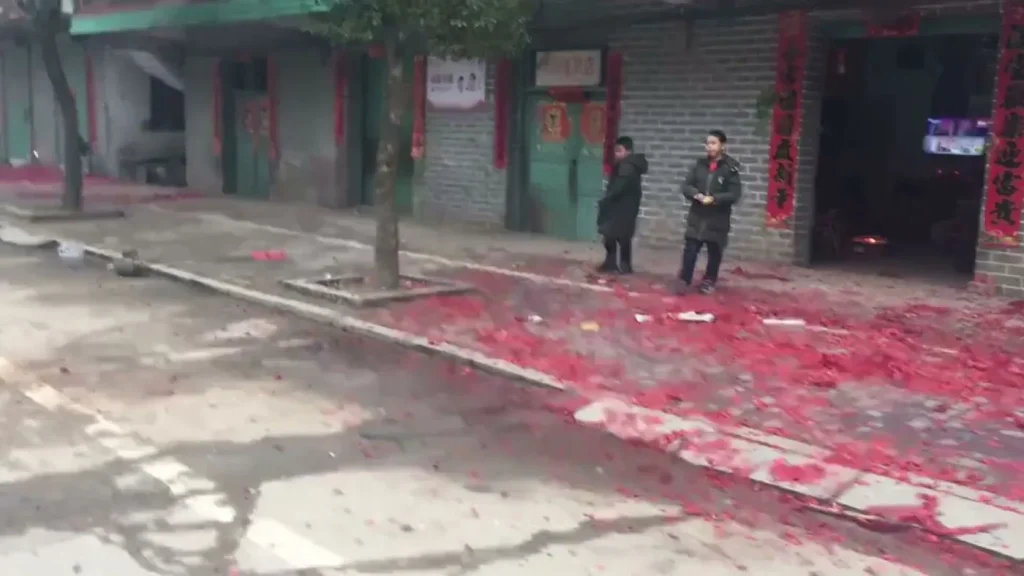
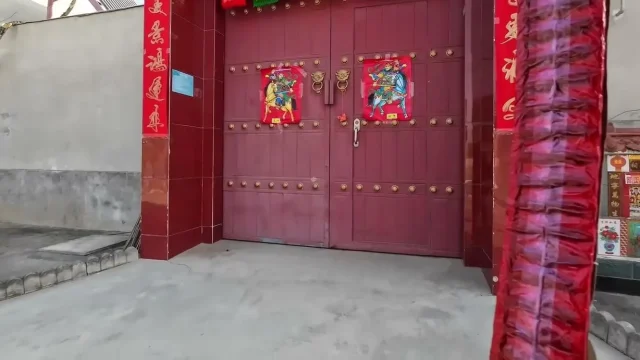
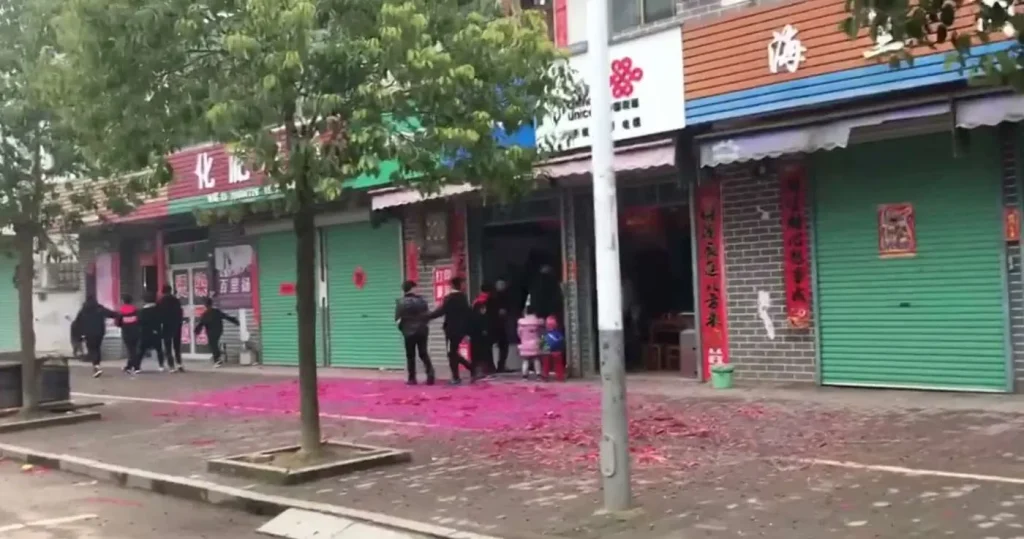
A whole street can look like this on the first morning. Shops stay shut, the couplets are fresh on every door, and nobody comes out with a broom. If you want to know why the firecrackers go off in the first place, my article on Chinese New Year fireworks and why families set them off covers the Nian story and the noise.
When can you clean again? Customs differ from region to region, but many families pick up the broom on the second or third day. In much of northern China the big clean-up waits for the fifth day, called po wu (破五), “breaking the fifth,” when sweeping out the dirt is said to sweep out poverty with it. In 2027 the fifth day is Wednesday, February 10. If you must sweep earlier, the old advice is to sweep toward the middle of the room and carry the dust out quietly later.
Washing hair on Chinese New Year and the haircut rule
You don’t wash your hair on Chinese New Year’s Day. The word for hair, fa (发), sounds the same as the fa in facai (发财), “to get rich,” so washing your hair on the first day is like rinsing your wealth down the drain. Many people extend the rule to bathing in general on day one, and some keep it for the first three days.
So should you wash your hair on Chinese New Year? If you are following the custom, wash it on New Year’s Eve and leave it alone on the first day. If you are a guest in a Chinese home, nobody will check, but it is polite not to mention it at breakfast.
Haircuts get a longer ban. Many families avoid cutting hair for the whole first lunar month, which runs from February 6 to March 7 in 2027. A northern folk saying claims that a haircut in the first month brings bad luck to your mother’s brother, which sounds strange to outsiders but is widely repeated.
The practical result is a rush at the barber shop. People get their hair cut in the week before New Year, and then the next big haircut day comes on the second day of the second lunar month, known as “the dragon raises its head,” when getting a cut is considered lucky.
Broken dishes, knives and unlucky words on Chinese New Year
Breaking a dish or a glass on New Year’s Day is treated as a bad sign, but there is a phrase that fixes it. You say suisui ping’an (碎碎平安), “peace with every broken piece.” The word for broken, sui (碎), sounds like the word for year, sui (岁), so the phrase turns the accident into a wish for peace year after year. Some families wrap the pieces in red paper and throw them out after the fifth day.
Knives and scissors are usually put away on the first day. Cutting is thought to cut off the good luck that has just arrived, so food for New Year’s Day is chopped the day before. Many households also avoid needles and sewing for the same reason.
Words matter just as much as tools. On New Year’s Day people avoid saying death, illness, ghosts, poverty, “broken” and “finished,” and they steer around the number four. Telling stories about bad luck is out too. Nobody insists you speak in blessings all day, but family members will often cut a gloomy sentence off halfway.
Crying and scolding fall under the same rule. Parents try hard not to tell children off on the first day, because a scolding then is thought to set up a year of tears. If a child does cry, the family usually comforts them quickly and changes the subject.
Money rules: no lending, no borrowing, pay debts first
Lending money on New Year’s Day means money will leave your hands all year, and borrowing means you will need to borrow all year. So both are avoided. The tidy solution is to settle debts before New Year’s Eve, and in the old days shopkeepers went from door to door collecting what they were owed before the holiday started.
The one kind of money that is supposed to change hands is the red envelope. Elders give them to children and unmarried relatives, and that gift counts as luck, not lending. My guide to red envelopes, how much to give and the etiquette goes through the amounts and the numbers to avoid, which follow the same pun rules as the words above.
Some families add a small rule about spending. They try not to pay out large sums on New Year’s Day, and some keep a little cash in their pockets so the year starts with money on hand.
New Year’s Eve rules: staying up, the reunion dinner and wearing red
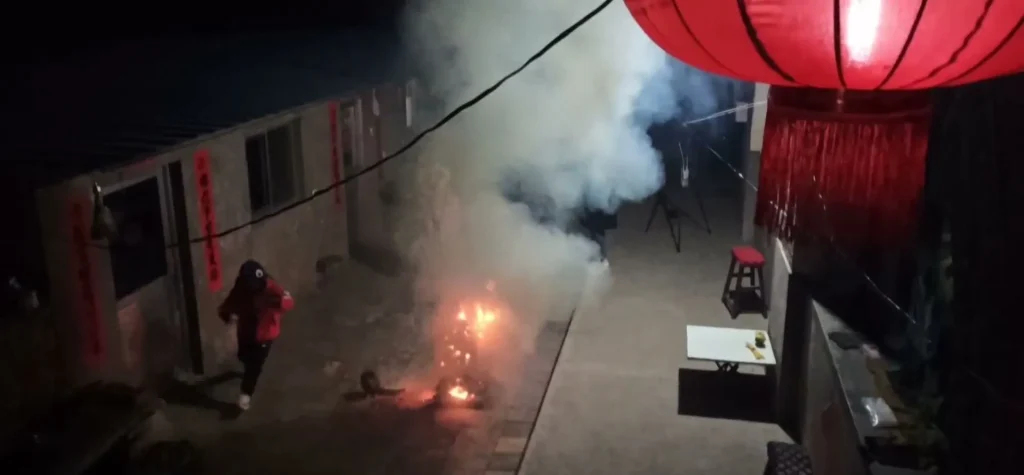
The night before New Year has its own customs. Staying up past midnight is called shousui (守岁), “guarding the year,” and it is said to add years to your parents’ lives. Lights stay on through the night so the new year arrives to a bright house, and many families watch the televised gala together while they wait.
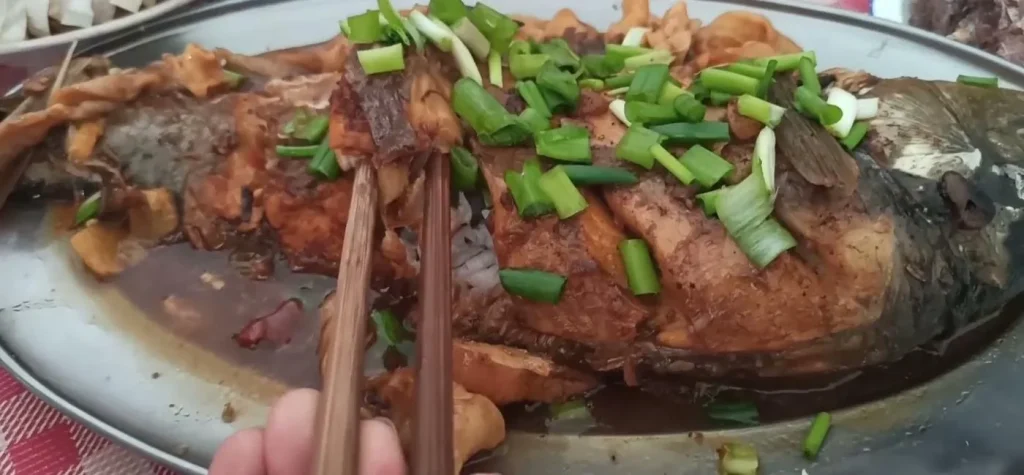
The reunion dinner on New Year’s Eve has rules of its own. The fish is served whole and some of it is left over, because “may there be surplus every year,” niannian youyu (年年有余), uses the same sound as fish. My article on serving a whole fish for Lunar New Year covers the meaning and the table rules that go with it.
Clothes count as well. Red is the color of the night and the next morning, and all-black or all-white outfits are avoided because they are funeral colors. If you need ideas, I have a separate guide to red clothes for Lunar New Year and which days to wear them.
What to do on Chinese New Year for good luck
For good luck at Chinese New Year, families clean before the holiday, put up red, eat foods whose names sound lucky and open the year with good wishes. These are customs, not guarantees. In date order:
- Send off the Kitchen God: On the Little New Year, the 23rd of the twelfth month (the 24th in much of the south), he goes up to tell the Jade Emperor how the family behaved, and the usual offering is sweets. I set out a little malt candy and mostly say thanks; more on the Kitchen God and Little New Year.
- Clean before the year ends: Good luck is meant to come in with the new year, so the house is scrubbed beforehand and the broom rests on the first day, as the sweeping section explains.
- Paste up couplets and fu: Most families put up Chinese New Year couplets on New Year’s Eve afternoon. On inner doors the fu (福), the character for good fortune, often hangs upside down, because “fu upside down” sounds like “fortune has arrived.”
- Wear red and leave some fish: Red is meant to bring luck and keep bad luck off, and the leftover fish stands for niannian youyu, surplus every year.
- Make dumplings: Jiaozi sounds like the year changing hands at the zi hour (11 p.m. to 1 a.m.), so northern families make dumplings for Chinese New Year, and many hide a coin in one.
- Stay up and hand out red envelopes: Guarding the year is said to lengthen your parents’ lives, and the envelopes count as luck, not lending.
- Set off the first firecrackers, where they’re allowed: The first string of Chinese New Year’s Day, kaimen pao (开门炮), hangs from the door frame and goes off at the doorway just after midnight. It began without gunpowder: Zong Lin’s sixth-century Jingchu Suishi Ji (荊楚歲時記) has people in Chu rising at cockcrow and burning bamboo in the courtyard until it cracked, to scare off evil spirits.
- Pay New Year calls with the right words: On the first day younger people pay calls, bainian (拜年), on their elders, say guonian hao (过年好) and wish them shen ti jian kang (身體健康), good health. Gong xi fa cai (恭喜发财), for wealth, suits most other moments; see my Chinese New Year greetings.
- Bring oranges in pairs: In Cantonese the mandarin orange, gam (柑), sounds like gold and gat (桔) sounds like luck, so Chinese New Year oranges travel in twos, never fours.
- Welcome the God of Wealth on the fifth day: On February 10 in 2027, the same po wu day as above, shops reopen with firecrackers for him, and many first-day restrictions end.
Other Chinese New Year taboos many families keep
A few more rules turn up in many homes, though not in every one. They follow the same logic as the rest: the first days of the year set the tone, and a pun can turn a harmless act into a bad sign.
| Taboo | Why | How long it usually lasts |
|---|---|---|
| Taking medicine or visiting a hospital | You would be ill all year | New Year’s Day, unless you really need care |
| A married daughter visiting her parents | She is thought to bring bad luck to her birth family; she visits on the second day instead | New Year’s Day |
| Giving a clock as a gift | “Giving a clock,” song zhong (送钟), sounds like seeing someone off at a funeral | All year, but most noticed at New Year |
| Giving pears | Pear, li (梨), sounds like separation (离) | All year, most noticed at New Year |
| Waking someone up | They would be rushed and nagged all year | New Year’s Day |
| Breaking a mirror or losing keys | Signs of a broken family or lost luck | The first few days |
The medicine rule is the one I would not follow strictly. If someone needs their medicine or a doctor, they should take it or see one, and older relatives will usually agree once you put it to them that way.
How long Chinese New Year superstitions last
Most of the rules apply on New Year’s Day itself. A second group, sweeping, cleaning and throwing out broken things, lasts until the fifth day in many families. The haircut rule runs for the whole first lunar month.
The festival as a whole ends on the 15th day with the Lantern Festival, which falls on Saturday, February 20, in 2027. After that, everyday life takes over again and nobody minds a broom or a pair of scissors.
Should you follow Chinese New Year rules as a guest?
My view is that these rules are worth knowing, not worth fearing. They are folk customs that families keep in different ways, and in most homes they are kept with a smile. If you are visiting a Chinese family over the holiday, three habits cover most of it: don’t offer to sweep or take out the trash on the first day, say suisui ping’an if something breaks, and keep your talk cheerful.
Bring a gift in red packaging, avoid clocks and pears, and wear something red if you have it. Those small choices tell your hosts you understand what the holiday means to them. Everything else, they will happily explain over dinner.
FAQ
Can you shower on Chinese New Year?
Many families avoid showering and washing their hair on New Year’s Day, because the word for hair sounds like “getting rich” and washing is like rinsing that luck away. The usual plan is to shower on New Year’s Eve and wait until the second day.
Can I clean on Chinese New Year?
Not on New Year’s Day if you are keeping the custom. Sweeping and taking out the trash are thought to push good luck out of the house, so families clean before the holiday and start again on the second, third or fifth day.
When can you wash dishes after Chinese New Year?
Washing dishes is usually fine, since you still have to eat. What families avoid on the first day is sweeping, throwing water and trash out the door, and breaking dishes. If a dish breaks, say suisui ping’an.
Are Chinese New Year superstitions real?
They are real customs, kept by many families in China and across the Chinese diaspora, but they are beliefs, not proven effects. Most people follow them for the feeling of starting the year well, and the details change from family to family.
For more about the zodiac, the festivals and the customs behind them, you can browse the rest of Zodiac and Tradition.
Written by
Daozhang MaMaoshan Taoist, Jintan, Jiangsu
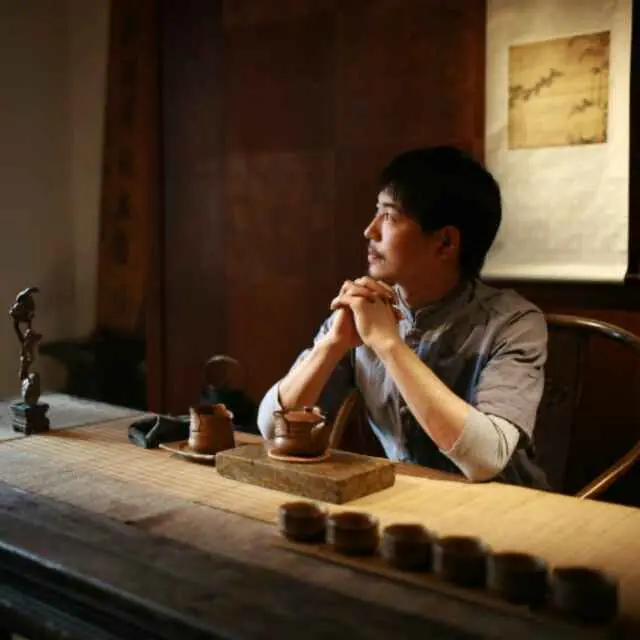
Daozhang Ma is a Maoshan Taoist who has practiced for 22 years and is skilled at writing talismans and painting Taoist pictures. He runs Zodiac & Tradition.
About Daozhang Ma