Daozhang Ma
Published
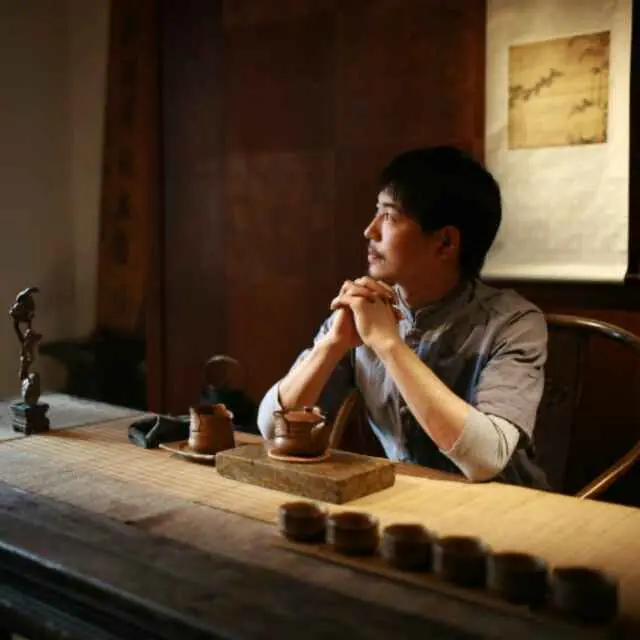
Daozhang Ma, a Taoist of the Maoshan tradition, lives on Maoshan in Jintan, Jiangsu.
He runs Zodiac & Tradition, and his guides on the site are listed further down this page.
Twenty-two years of practice
Daozhang Ma has practiced Taoism for 22 years. The two crafts he is most skilled at are writing talismans and painting Taoist pictures.
A talisman, fu (符), is a piece of Taoist writing done with a brush, in a script that looks like Chinese characters stretched and joined into a figure of its own. Taoist painting, daohua (道画), is the tradition of painting deities, immortals and sacred scenes, the kind of picture that hangs in a temple hall.
Both belong to his own practice. Neither is offered through this site. He doesn’t write talismans to order, and no paintings are sold here.
The name
“Daozhang” (道长) is a title, not a first name. It’s how people in China politely address a Taoist priest, a little like saying “Reverend.” Ma (马) is his family name. On this site he’s Daozhang Ma.
Maoshan
Maoshan (茅山), also called Mount Mao, sits on the border between Jurong and Jintan, a district of the city of Changzhou in Jiangsu province, in eastern China. Tradition says it takes its name from three brothers of the Mao family who withdrew there in the Western Han dynasty and are honored as the Three Mao Immortals. It’s the birthplace of the Shangqing, or “Highest Clarity,” school of Taoism, and the Taoist scholar Tao Hongjing (456 to 536) retired there in 492.
In popular stories, “Maoshan” often stands for priests who fight ghosts with spells. On this site, talismans and spells come up only as history: what the old books record and how people have used them.
What he writes about here
- The twelve zodiac signs. What each sign is, which years belong to it, and the traditional readings for personality and compatibility.
- The zodiac year. How the year is counted from Lunar New Year, and what the tradition says about a sign’s own year and the Tai Sui.
- Lunar New Year and other festivals. Where the customs come from and what people do on each day.
- Symbols, feng shui and Taoism. The stories behind lucky symbols, the parts of feng shui with a clear Chinese history, and the Taoist background to all of it.
How he treats a reading
“When a guide gives you a clash between two signs, I’ll tell you the rule as the old almanac writes it, and then how I’d read it. Usually I read it loosely. I don’t put much weight on a clash when two people are deciding whether to marry. The tradition is worth knowing. It isn’t a promise.”
That’s the line every reading on the site follows. The page names the rule it comes from, such as a clash between two signs or the year of Tai Sui, and says plainly that it’s a traditional reading. His guides stay away from health, pregnancy, money and legal decisions. More about the site itself is on About.
Getting in touch
Questions or corrections about any of his guides can be sent through the contact page.
Guides by Daozhang Ma
93 guides- Dragon Dance for Chinese New Year: Meaning and OriginHow a dragon dance works, from the pearl and the poles to the pole-climbing finale, why it comes out at Chinese New Year, and how it began as a prayer for rain.
- Whole Fish for Lunar New Year: Meaning, Table Rules and RecipeWhy Chinese families serve a whole fish on New Year's Eve, where the head should point, why a piece is left uneaten, and a braised whole fish recipe in seven photographed steps.
- Chinese New Year Oranges: Why Mandarin Oranges Bring LuckWhy mandarin oranges stand for gold and luck at Chinese New Year, which citrus is which, and how to pick, display and give them in pairs when you visit.
- Chinese New Year’s Day: Dates, First-Day Customs and FoodChinese New Year's Day falls on February 6, 2027. How the first lunar day runs: opening firecrackers, New Year calls, tangyuan or dumplings, and temple visits.
- Chinese New Year’s Eve: Traditions, Food and MeaningChinese New Year's Eve (chuxi) is the last night of the lunar year: couplets, ancestor offerings, the reunion dinner, red envelopes, staying up and midnight firecrackers.
- Chinese New Year Dress: Outfits and Lunar New Year ClothesWhat to wear for Chinese New Year: the qipao and how to read its collar, fabric and patterns, Tang suits and shirts for men, hanfu, kids' outfits and how to choose.
- 2027 Chinese Zodiac: Fire Goat Year, Tai Sui and 12 Signs2027 is a Fire Goat (Ding Wei) year, from February 6, 2027 to January 25, 2028. Who the Tai Sui is, which signs clash, and a reading for all 12 signs.
- Chinese Zodiac: The 12 Animals in Order, Elements and Your SignThe 12 Chinese zodiac animals in order, how to find your sign and element from your birth date, and what the zodiac hours, months and clashes mean.
- Chinese Festivals: 2027 Calendar and List of Traditional HolidaysEvery traditional Chinese festival with its lunar date and 2027 date, why the dates move, how each one is kept, and which ones bring days off.
- Chinese New Year Flowers: Meanings and Lunar New Year PicksNarcissus for wealth, gladiolus for promotion, kumquat trees for luck: what each Chinese New Year flower means, when to buy it, and how to keep it fresh to the 15th.
- Red Clothes for Lunar New Year: Why Wear Red and Which DaysShould you wear red on Chinese New Year? Why red, which days matter in 2027, how much red is enough, red underwear in a Goat year, and six outfits.
- Kitchen GodWho the Kitchen God Zao Jun is, why families send him to heaven on the 23rd of the last lunar month with sticky candy, how to read his print, and when he comes back.
- Red Envelope Meaning: How Much Money to Give and EtiquetteWhat a red envelope means, who gives one to whom at Chinese New Year, how much money to put inside, how to hand it over, and how digital red envelopes work.
- Lunar New Year Games: Mahjong, Card Games, Lantern RiddlesThe games Chinese families play at Lunar New Year and how to play them: mahjong, guandan and dou dizhu, cash-prize family games, lantern riddles, jianzi and bầu cua.
- Lion Dance: Meaning, Origin, Southern vs Northern LionsWhat a lion dance means, how two dancers share one lion, how to tell southern lions from northern ones, where the dance came from, and what happens from eye-dotting to cai qing.
- Dumplings for Chinese New Year: Meaning, Fillings and RecipeWhy northern Chinese families wrap dumplings on New Year's Eve, what the shape, the hidden coin and each filling stand for, and a pork and napa cabbage recipe with photos of every key step.
- Dui Lian for Chinese New Year: Meaning, Rules and ExamplesDui lian are the paired red lines on Chinese New Year doors. How the two lines match in tone, four classic couplets in pinyin, and how to pick a set.
- Chinese New Year Fireworks: Why Firecrackers? Are They Legal?Why firecrackers go off at Chinese New Year, which days they're set off, how one long string burns, where they're banned, and what the injury numbers show.
- Chinese New Year Decorations: Names, Meanings, When to HangWindow paper-cuts, fu signs, New Year prints, door gods, lanterns and knots: what each Chinese New Year decoration means, where it goes, and when it comes down.
- Lunar New Year Lanterns: Meaning, Types, When to Hang ThemWhat red Lunar New Year lanterns mean, six types you'll see, when to hang a pair for 2027 and take them down, and how to buy or make one.
- Lunar New Year 2027: Date, Zodiac Animals and TraditionsLunar New Year 2027 falls on February 6 and opens the Fire Goat year. Dates to 2031, the zodiac animals, couplets, temple rites and taboos.